Memory Cabinet
A city shaped by many stories
Los Angeles is a city built by immigrants. Memory Cabinet records the stories of the seniors who shaped it, and connects them with the teens who come next.
Stories
Recorded conversations with Sunwoo Lee, Hyungbong Lee, and Chunhee Kim. Audio, transcripts, and portraits. More to come.
ListenPhone Buddies
Seniors and teens paired for conversations over the phone, learning from each other across generations.
How it worksDigital Equity
Digital literacy sessions at senior living communities, YMCAs, and adult day health centers.
See the programWho we are
Every life holds a story worth telling
Memory Cabinet is a place where stories are heard, memories are preserved, and the voices of everyday people are never forgotten.
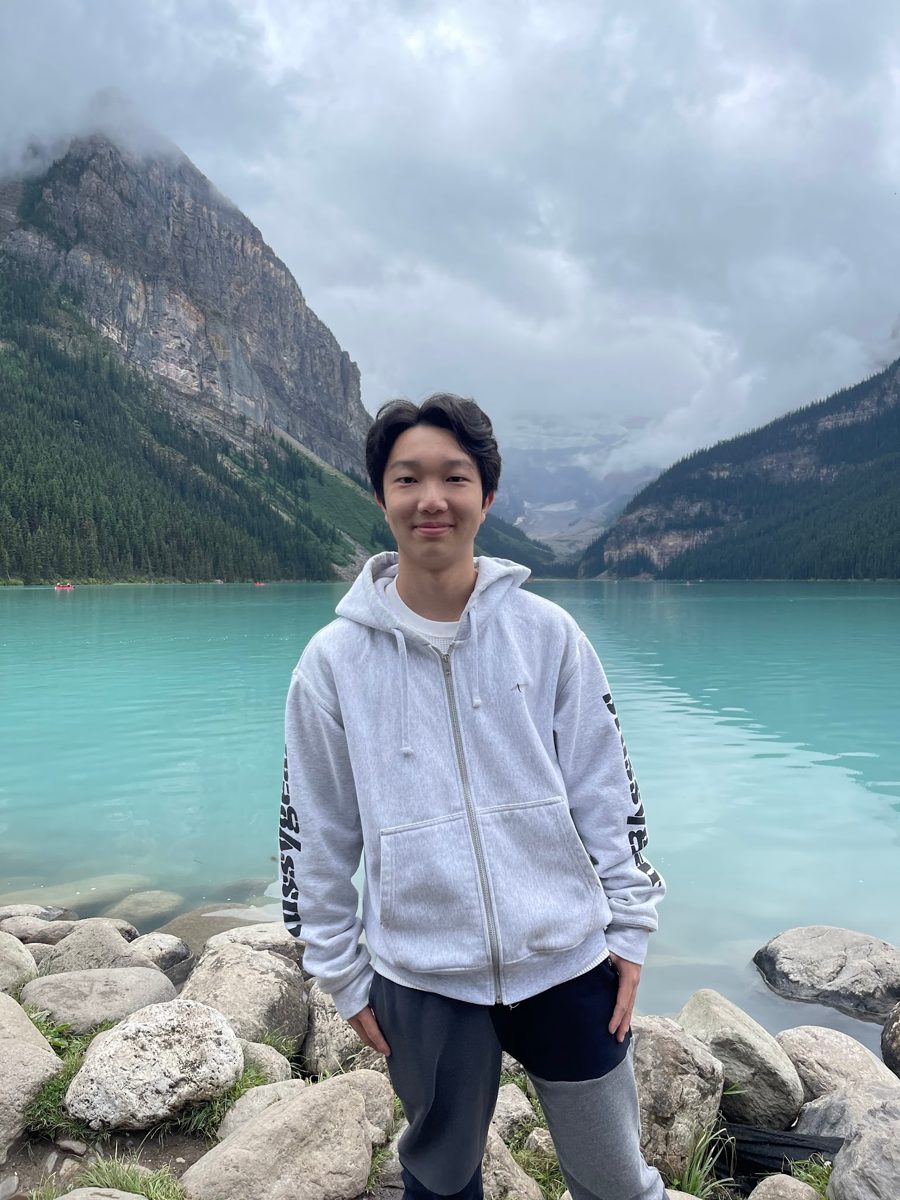
Noah Koo, founder of Memory Cabinet
I always thought my grandfather would be with us forever.
But in 2022, he was unexpectedly diagnosed with pancreatic cancer and everything changed.
I had always assumed there would be more time. More time to hear his stories, to ask him questions, and to do all the things I had imagined we would do together someday. But I kept putting those moments off, believing there would always be a tomorrow. As his health declined, even the simplest things became difficult to share.
We often look back on the past with longing, yet somehow, we keep postponing the simple act of preserving it. We don't always realize how precious those ordinary moments are until they become memories.
Los Angeles is a city built by immigrants. I believe that behind every neighborhood, every street, and every community are countless personal stories—stories of love, sacrifice, hope, and resilience. Each person's memories and experiences have helped shape the Los Angeles we know today.
That belief, along with my own experience, inspired me to begin Memory Cabinet.
I want to create a place where stories are heard, memories are preserved, and the voices of everyday people are never forgotten.
Because every life holds a story worth telling.
I started by gathering information through recorded interviews, asking seniors about their stories my junior year.
— Noah Koo
Our memories. Our stories. Our voices.
Contact
To share a story, volunteer, or ask about the program, contact Noah.
Noah Koo · noahkoo2008@gmail.com
Stories
Three lives, in their own voices
Oral histories recorded with seniors in Los Angeles. Each chapter has the narrator's portrait, the full recording, and the transcript in Korean and English. More stories will be added over time.
Sunwoo Lee 이선우
Came to Los Angeles at 57 to support her son's studies. Fifteen years later, she calls Koreatown home.
Hyungbong Lee 이형봉
Left Pyeonganbuk-do at 20 during the Korean War, served five years, and raised his grandchildren in LA.
Chunhee Kim 김춘희
Born in 1933 in the north, raised in Busan, built a life in Argentina, and chose Los Angeles at 70.
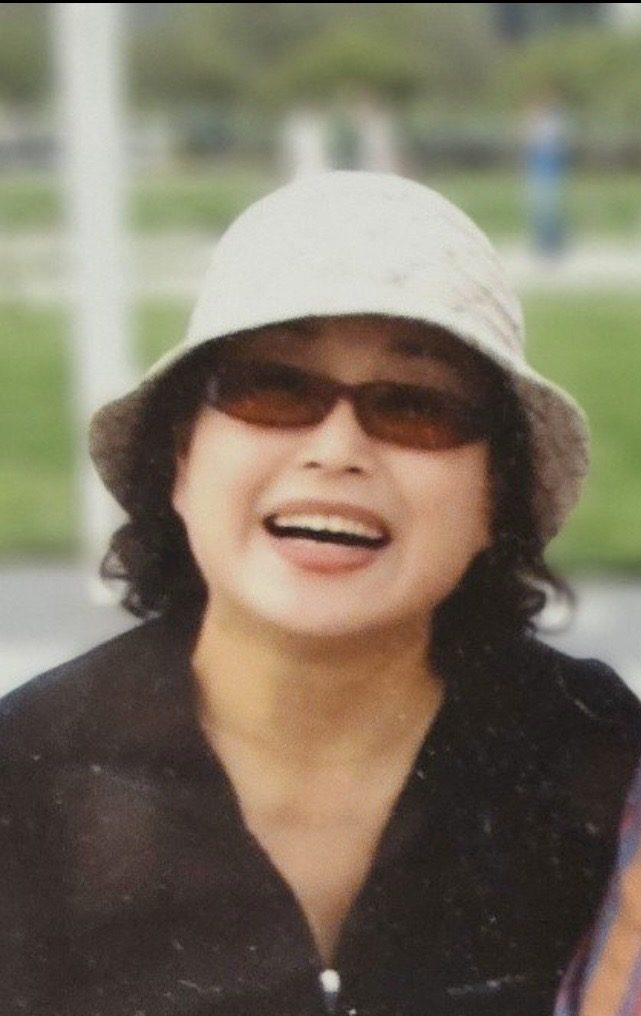
Chapter 1
Sunwoo Lee 이선우
"미국이라는 곳이, 내 정신만 건강하면 남한테 피해 안 주고 살 수가 있어요. 나는 미국을 너무 좋아해."
- Age72 at the time of recording
- Lives inDowntown Los Angeles, just outside Koreatown
- ArrivedAbout 15 years ago, after a 60th-birthday trip her husband took to LA
- WorkIHSS in-home caregiver; earlier, cooking and housework for families in LA
Sunwoo Lee's family came to Los Angeles twice: first as tourists, when her husband fell in love with how wide the country was, and then for good, when their son enrolled in graduate school here. Without status, she cleaned houses and cooked for a UCLA professor's family while her husband worked at a Korean market, until a Korean-language newspaper ad for an engineering job led to sponsorship and a green card.
She talks about the shock of first seeing Koreatown, the pride she takes in work she says she would have been ashamed of in Korea, and what it means to be treated with respect by the people who employ her.
Recording 1 · Coming to America, and staying
29:04Speaker 2 이름을 알려드릴까요?
Speaker 1 제 이름은 이선우고요. 한국 이름. 나이는 72살이에요. 사는 곳은 한인파원을 조금 벗어난 다운타운죠.
Speaker 2 미국에서 어떻게 왔어요?
Speaker 1 미국에 처음 오게 된 것은 아들, 정착은 아들 때문에 했는데 시작은 여행으로 시작이 됐어요. 남편 이 60세 생일 여행을 LA에 동생이 살아서 왔다가 서부관광을 하던 중에 남편이 너무너무 미국이 넓고 좋은데 거기 가서 살고 싶다고 시작은 그렇게 됐어요. 여행자니까 크게 동요하지는 않았는데 남편 입장에서는 그때 당시 한국의 사업이 어려웠어요. 그러니까 막 벗어나고 싶었던 거야. 말하자면 한국 그 어려운 상황을 자기가 막 헤쳐나가는 게 조 금 버거웠는지 미국에 오면 자기가 할 일이 너무 많은 것 같은 그때 나이가 60살인데 그런 희망을 갖고 있더라고요. 그래서 시작은 여행으로 왔다가 여행 왔으니까 가야지. 가서 조그만 사업을 정리하고 또 여기를 왔어요. 여기를 학생으로 왔어요.
Speaker 2 두 번째는.
Speaker 1 그러던 중에 우리 아들이 유학을 오고 싶대요. 그때 아들은 한국에서 대학 졸업하고 군 복무 다 마 치고 그러고 대학원 준비하던 중인데 여기다가 자기가 돈을 보냈더라고요. 자기 고모, 나에게는 신 혼. 그쪽 편에다가 등록금주로 학교를 정해서 돈을 보냈대. 그래서 여기를 왔어요. 아들이. 아들이 오니까 우리는 아들 때문에 더 정착을 한 거지. 그 아이의 뒷바라지 이런 거 비슷한 거 하려 고. 그래서 처음에 와서는 신분이 없잖아요. 학생인데. 그때 당시 그걸 알았지. 미국의 학생은 돈을 벌 수 없다. 신분이 없는 사람이잖아 우리는 지금. 미국의 학생이 돈을 못 버는 건 아닌데 우리는 유학생으로 왔기 때문에 직업을 가지면 안 되는 거였더라고요. 현재도 그렇고 그때도 그렇고. 그래서 일을 해야 살 거잖아. 우리가 세 식구잖아. 말하자면. 아들, 엄마, 아빠 이렇게. 그래서 처음에 취직을 하게 된 게 이거는 조금 비공식인데 들어가도 되는 지 모르겠는데. 마켓을 취직을 했어요. 마켓. 한남체인을. 한남체인을 남편이. 나는 아니고. 나는 이제 이렇게 청소를 하면서 이렇게 다녔고. 나는 유학생의 아내로 들어가 있는 거기 때문에 그냥 돈을 좀 보이지 않는 곳으로 버는 건 되는 거야. 신분을 따지자. 그러고 남편은 한남체인을 들어갔어요. 한남체인도 신분이 없는 거잖아. 학생이잖아. 그러니까 우리를 채용할 수 없는 거야. 그래도 어떻게 줄이 돼가지고 거기서 일을 했 어요. 남편이 조금. 일을 하다가 신분, 광물을 습권을 해주겠다는 엔지니어를 뽑고 있는 거야. 한국에서 남편이 엔지니어 일을 했거든요. 거기다 원서를 놓는데 붙은 거야. 그래가지고 거기서 습권을 해줘서 우리가 영주권자가 된 거예요. 그 회사에서 남편을 쓴 거지. 채용을 한 거지. 그렇게 해서 영주권자가 됐고. 영주권을 받기까지 많은 고절도 있었지만 둘이 열 심히 좋은 직업을 갖고 폼나게 살지는 못했지만 열심히. 미국이라는 곳이 다른 사실이지만 마약, 도박 그것만 안 하면 다 일할 수 있는 거야. 다 일할 수 있 는 곳이고 내 정신만 건강하면 살아가는 데는 정말 큰 남한테 피해 안 주고 살 수가 있어요. 나는 미 국을 너무 좋아해. 지금 내 형편에 시민권을 봐야. 시민권을 봐야. 그건 시험이잖아. 테스트잖아. 영어가 심리적으로 막 부담이 되고 어려워서. 나중에 천천히 시간 있을 때 집중적으로 공부하고 가려고 미루고 있고.
Speaker 2 내 아빠랑 같이. 내 아빠도 한국에서 와서 영어가 좀 안 알아서 다시 다 알아서.
Speaker 1 그래도 학생 시절을 보내신 분들은 우리같이 나이 60살 되고 70살 되고. 들어도 잃어버리고. 그전 에는 아침 인사 붕어짐도 안 나오더라고 입안에서. 그렇게 굉장히 영어라는 게 남미 나라 익숙하지 않은 그런 말이 별로 쉽게 안 나와. 땡큐도 잘 안 나 오는데 처음에는. 그냥 감사합니다로 나오지. 한국말로 감사합니다가 나오지. 땡큐 이렇게 하는 게 처먹버리고 그랬어요. 지금 땡큐 정도를 하 지. 그렇게 해서 15년 됐어요. 잘 살고 있습니다. 궁금한 게 있어요?
Speaker 2 할머니는 지금 케이타노에서 살아요. 케이타노에서 1990년대에 엘리베이터를 한 번 봤어요. 엘리 베이터를 알아요? 케이타노에서 많이 불고 있고. 1990년대. 엘리베이터를 알아요? 케이타노에서 불고 있고. 숯불이 다 불고 있고.
Speaker 1 엘리베이터도 지난 다음에 왔죠? 지난 다음에 왔죠.
Speaker 2 아 지난 다음에.
Speaker 1 그래서 1990년대까지 지난 다음에 왔지.
Speaker 2 네 알았어요. 그래서 엘리에서 먼저 왔면, 그 다음에 이제는 사는 거는 어떻게 달라요? 엘레.
Speaker 1 엘레에서 사는 걸?
Speaker 2 어떻게 달라요? 시간과 이제 가서 어떻게 달라요? 그래서 이거 시티. 시티가 어떻게 바뀌었나요? 처음에 여기 왔을 때부터.
Speaker 1 처음에 왔을 때 엘레이랑 지금이랑 어떤 게 달라요? 처음에 올 때하고 지금하고 다른 게, 처음에는 한국 가봐서 알지. 한국이 너무너무.
Speaker 2 한국 봤지.
Speaker 1 그래서 나는 미국에 대한 나름의 상상이, 영화에서 봤던 미국을 생각했을 거 아니야. 미국을 안 와 봤으니까. 그런데 엘레에 타고 왔는데, 너무 미국이야 막. 너무 이상한 거야. 특히 여기 한인타운에 딱 들어왔는데, 너무 지저분하고. 어머 여기 무슨 미국이 이래.
Speaker 2 처음에 그랬어요.
Speaker 1 그런데 지금은 여기가 내가 고향처럼 익숙해져가지고, 아무렇지도 않아. 아무렇지도 않아. 홈리스 도 많아졌거든. 그때 나 왔을 때보다.
Speaker 2 더 많아졌어.
Speaker 1 말도 못해. 그래도 거부감이 필요 없어. 그냥 저 사람은 왜 저렇게 됐을까. 어떤 사회로 저런 생활을 할까. 막 이런 안타까움. 지금은 너무 익숙하고, 좋아요. 그 차이가 있어요. 처음에 느꼈던 엘레이하고, 지금 내가 사는 엘레이하고, 받아들인 거지 내 것을.
Speaker 2 한국보다 미국이랑, 한국은 더 좋아? 한국에 있는 거? 아니면 미국 거?
Speaker 1 어떤 게 좋은가. 한국은 내 나라니까 다 좋지. 말 통하고, 얼굴 통하고.
Speaker 2 한국말도 다 알지.
Speaker 1 내 생활 속에 아주 편리한데, 가장 중요한 건, 한국은 체면이라는 것을, 체면이 뭔지 말해줘야 되는 데, 그런 것 때문에, 말하자면 지금 현재 내 직업, 나는 이거 자랑스럽게 하고 있거든요. 부끄럽지 않아요. 건강하고, 처음 만나는 사람이, 무슨 일을 하세요? 이렇게 물어봐.
Speaker 2 물어보지.
Speaker 1 이거 일한다고 얘기해. 부끄럽지 않아. 나는 IHSS 간병인이라고 하거든요. 그런데, 내가 직업을 당당하게 말할 수 있을 만큼, 여기에 와서는 누구를, 막 그렇게 체면에 의식하 고, 의존에 의해서 부끄러워서 일 못해. 한국 같았으면 안 했을 일이야. 내가 한국에서 잘 살던 사람 은 아니지만, 그래도 한국에서 낳아서 크고, 거기서 학교 다니고 이렇기 때문에, 체면, 친구들한테 창피하니까, 한국은 파추부라고도 얘기해. 남네 직업을 하는 사람. 가사도 요새 말을 좀 좋게 해가지고. 그런데 한국에서 같은 걸 아마 안 했을 거야. 그런데 여기는 그런 게, 나한테 부끄럽지 않고, 또 다른 건, 엄마 같은 분, 말하자면, 나를 고용하는 사람들이, 나에 대한 예의를 잘해줘. 무시하지 않아. 아니, 속으로는 무시해도 할 수는 없지만, 나한 테 내 자존감을 무너뜨리지 않아. 함께 이렇게, 나는 네가 필요해서 돈을 주고 너를 쓰는 거야. 나는 네가 할 수 없는 일을 내가 해주 는 거야. 이런 관계 속에서 유대가 좋아. 한국은 지금 많이 변했겠지만, 한국은 좀 그런 게 있거든. 하대한 업심력. 그런 어려운 말은 잘 못 알아듣지.
Speaker 2 도와줘.
Speaker 1 엄마가 옆에 있어야 돼.
Speaker 2 조금 알았는데.
Speaker 1 태극관도 있어야 돼. 청소는 내가 할게. 냉장고에 넣을 것만. 우리 하민이. 멋있게.
Speaker 2 감사합니다.
Speaker 1 잘 자라줘서 고맙고.
Speaker 2 이거 해서 고마워요. 아니, 당연히.
Speaker 1 뭐 필요하세요? 한국하고 여기하고, 내 생활 속에 다른 게 어떤 게 특이했어요? 현재 직업을 얘기 했어요. 나는 한국 같으면 파출고, 가사도 일을 하는 건데, 아마 한국 같았으면 못했을 거다. 자존심. 그런데 중요한 건 나를 쓰는 고용주. 그게 엄마야. 엄마 같은 분이 나를, 내 자존감을 무너뜨리지 않고, 나를 존중해 주는 데서는 차이가. 한국하고 미국의 차이가 대단해. 여기는 그런 게 없잖아. 신성한. 직업이야.
Speaker 2 노동의 대가. 노동의 대가.
Speaker 1 그걸 굉장히 중요하게 생각하니까. 나는 그래서 한국의 친구들도, 친구들을 만나지도 않지만 어쩌 다가 이렇게, 아니 한국까지는 말고, 여기서라도 처음 만난 사람들은 직업을 물어봐요. 어머, 아직 일하세요? 뭐 하세요? 이렇게. 그런 걸 왜 물어보는지. 그럼 나 이 일을 한다고 말해. 부끄럽지 않다고, 흥게도. 그래서 내가 이렇게 찢어진 옷을 입고 다니 는 건 아니지만, 멋을 내지 않고 다녀도 누구를 의식 안 하고. 한국은 막 그런 걸 의식하고 그래요. 처면. 우리도 한국 가면 왠지 이러고 나가면, 그런 게 좀 있어 요. 미국이 나는 참 좋은 나라. 좋은 나라라고 생각하고, 내가 미국에 와서 살게 된 거를 너무너무 감사 하게 생각해요. 예를 들면, 한국과 미국 그거보다도, 이모의 라이프 스토리. 한국에서 무슨 일을 하셨는지.
Speaker 2 처음에 잡혔어요?
Speaker 1 조금, 네. 좀 더 집중해서. 예를 들면, 이모가, 자녀가 어떻게 되시고. 아들 하나, 딸 하나. 그리고 지금 아들은 미국에 같이 있으시고, 딸은 한국에 있어요. 할머니 딸이, 그러니까 엄마가 있잖아. 할머니 딸이, 그러니까 엄마가 있잖아. 몇 살인 줄 알아?
Speaker 2 하나?
Speaker 1 4살!
Speaker 2 어? 몰랐는데?
Speaker 1 그래서 그때 우리 코비드 했을 때, 할머니가 워낙 몇 달 한국 가신다고 했었어. 그래서 그러다가 코 비드 생기고, 그래서 할머니도 생각보다, 그런데 왜냐면, 애가 4명이었어.
Speaker 2 도와주신 거.
Speaker 1 4명째 아이가 죽을 뻔했대. 그래서 특별히 가셨는데, 애가 지금, 헐 컸어. 아, 좋아요? 3명째 아이가 죽었고, 1명째 아이가 의료 문제때문에, 그래서 SOS. 그래서 이모가 도와주러 가셨 어. 할머니가. 그리고, 그 얘기도 되게 감동적이야. 그녀는, 조카가 있었어. 조카? 조카, Nephew.
Speaker 2 이름이야? 조카.
Speaker 1 조카가 Nephew란 뜻이야. 그녀는 Nephew였어. 조카라고.
Speaker 2 조카. 웃긴 사람?
Speaker 1 아니, 조카 아니고.
Speaker 2 조카.
Speaker 1 조카가 영어로 뭐? Nephew. 말하자면, 엄마하고 은하. 그런거지. 말하자면, 이모의 남동생이야. 조카의 아들. 조카의 아들. 그 아이를 내가 키웠어. 근데 쟤가 지금, 90년생이니까 33인가, 4시야. 1990년생이야.
Speaker 2 그래.
Speaker 1 4시인가 봐.
Speaker 2 미국에서 같이 왔어.
Speaker 1 36이죠. 26년인데.
Speaker 2 90년생인데.
Speaker 1 어머나. 나이가 그렇게 많아?
Speaker 2 같이 안 왔지.
Speaker 1 그때 몇 살이었죠? 고등학교. 고1때 내가 걔를 키워왔어.
Speaker 2 고등학교.
Speaker 1 걔를 데려올 수가 없었어. 왜냐면, 우리 호족의 자식이 아니라서. 그래서 조카를 키웠어? 그녀는 조카를 키웠어. 근데 조카는 법적으로 보호자가 아니었어. 그녀는 못 키웠어. 놔두고 왔는데, 그 아이를 키우는 가정이 언제부터 키웠대? 첫 달 지나고 바로 엄마 아빠가 헤어졌 어.
Speaker 2 아이고. 어떡해.
Speaker 1 진짜 아기인데. 진짜 아기지. 두 달 채 안 됐을 때 헤어졌어. 그때는 법적인 이혼을 안 하고 떨어져 살고 있더라고. 그러더니 애가 4살 되면서 친정에서 가만히 있질 않아. 외곽집에서 딸 생존했으니까. 그래서 걔를 여동생네 집에 갖다 놓은 거야. 4살 때. 아기를. 아이고. 근데 우리 동생이 너무너무 걔를 키울 형편이 안 돼. 시어머니가 싫어해가지고. 시어머니를 모시고 사는 거야. 언니밖에 키울 사람이 없어. 그래. 우리 시집식은 착하거든. 그래도 나는 그게 싫었어. 그리고 우리 남동생이 생활하는 게 마음에 안 들어가지고 이혼할 수 있지. 지금은 그렇게 생각 안 하는데. 그때는 내가 너무 그게 싫었어. 그래서 구학원에 보내버려. 이랬어. 처음에는 구학원에 보내자고 했어. 구학원 어딘지 알지? 그런데 내가 그 아이를 보기 전에 순간 내 감정대로 표현을 했는데. 근데 그녀는 그날을 본 적이 없 었어. 그녀는 그날을 본 적이 없었어. 그녀의 시어머니가 첫째에 있었어. 그녀는 그곳에서 떨어졌어. 그녀는 그때 할머니와 살고 있었어. 할머니가 그날 할머니가 그날 할머니가 그날 할머니가 그날 잘 쓰고 있어 아이고 어이가 없을 때 아이고 기가 막힐 때 아이고 놀랬을 때 아이고
Speaker 2 놀려면 설마 멋있다
Speaker 1 그래갖고 사실은 4살부터 이제 와서 왔다갔다 하면서 6살부터 우리 동생네 집에 정착을 했고 6살 은 내가 데려오지 못했지만 노다지 모든 학업비 유치원비 내가 다 생활을 시켜주고 초등학교 1학 년 딱 들어갔는데 그 할머니가 얘를 너무 거박을 하고 무시하고 학교갈 때 깨우지도 않고 학교를 나는 너무너무 많이 물었는데 아내 선생님이 그래 얘가 아무도 없는 고아지 고아 그런 애인 줄 알 고 빵도 주고 우유도 주고 건사를 한 거야 학교 10시에도 오고 11시에도 오고 그런데 끝날 때 걔가 가방 주면서 혼자 학교를 오는 거야 1학년 때 그 소리 듣고 내가 너무 슬퍼갖고 그래서 그냥 무작정 데려왔어 아기를 1학년 1학기 끝나고 2학기부터 이제 우리 애들 학교 다닐 때 옮겼지 그 담임선생 님이 그 얘기를 하시는 거야 제 시간에 학교를 와본 적이 없대 그런데 이렇게 이렇게 좋은 고모가 계셨네요 이러면서 많이 그렇게 그런데 애기가 너무 잘 자라주고 그때까지는 그러면 내 동생이 집 에 있었는데 걔를 케어한다 내 동생이 가게를 하니까 지금은 잘 살아 그때는 걔도 젊었고 철이 없 이 방황하고 그거 얘기하면 슬프지 그냥 애기가 이제 두 달쯤 됐으니까 걸음도 잘 못 걷잖아 신발 이 저기 벗겨졌는데도 모르고 막 끌고 다니는 그런데 우리 동생이 정착을 못해갖고 여기저기 끌고 다니는 거야 그렇게 인생이 망가지면 그렇게 되더라 그는 그냥 어렸을 때 그런데 그게 듣고 그녀가 고등학교에 들어갔어 고등학교에 들어갔어 그래서 그는 아무튼 거기에 있었어 그녀를 불렀다니까 대학 들어가고 군대 가기 전에 불렀어 내가 그때 생활이 어렵잖아 돈이 뭐 여유가 있지도 않아 그 런 거를 남편 몰래 돈을 보내서 애를 오라고 했어 그래서 애를 여기서 보름 내방 데리고 올지도 못 했어 나는 거기 앤디슨의 집에 가있으니까 그래서 그녀는 아미에 가잖아 대학도 갔대 지금 선생님 이야 그녀가 그를 데리고 오지 못해서 항상 미안했대 그래서 지금 나한테 너무 잘해 우리 아들보다 더 살가버 엄마라고 그래 내가 고모인데 엄마라고 부르고 아버지보다 더 잘해 아미는 알지
Speaker 2 잠깐만
Speaker 1 농담 그러면 그때 미국 오실 때는 사업이 좀 힘들어서 오셨나요? 그럼 무슨 사업? 우리는 우리는 에르베타에 들어가는 구소 그걸 갖다가 기공 색깎는 일이지 그런 공장을 했었어요 남편이 원래는 사무직인 사람인데 누가 동업자 우리 애들 어릴때 동업자가 생겨가지고 퇴직을 하고 그 사업을 시 작했는데 괜찮았지 그게 IMF 만나면서 부도 그러던 중에 재산이 줄잖아 원장도 들고 한국도 부동 산 재산으로 갖고 있잖아 줄고 줄고 줄고 그곳이 벗어나고 싶은 곳이었어 남편 입장에서는 그래서 어떻게 보면 여행이라는 이유로 왔지만 도피한 것 같아 쉽게 말하면 새로운 시작을 하고 싶었던 것 같아 근데 와가지고 간데가 한남체인 거기서 한 1년 이상 있었던 것 같아 거기서 어떤 일 하셨어 요? 한남체인에서 생선부로 돌아갔대 대단하시다 해보지 않았던 일을 대단한 사람 저도 이제 제가 화 장실? 물 드릴까요? 괜찮아 다 쓰셔요 엄마도? 다? 새로운 사실 저도 50인데도 안해본 일을 하는건 어려운거잖아 되게 용기있었어 그래서 나는 그때 엘리스네 집에 들어가기 전에 유철레 집에 3년 있다가 엘리스네를 갔는데 유철레라고 이름은 그때 유철이는 그때 샘제이씨 한국으로 이민을 그때 당시 가서 엘리스가 전여친 이름이 엘리스인 데 엘리스 엘리스 엘리스 엘리스 엘리스 리아 케빈킴 케빈킴 딸 리아 리아 리아 리아 첼로 첼로에 요? 첼로 알아요?
Speaker 2 너무 커요?
Speaker 1 그거 첼로인데요 근데 첼로 아닌거 같아 아 아니었어요? 있을거야 아빠는 케빈킴 엄마는 미셸킴 어? 잠깐 저기 디렉터리에서 한번 봐도 된대 여기여기여기여기 화보에서 다니고 리키도 거기 다닌 다 리아 동생 리키도 거기 리키요? 리키라나 우리는 그렇게 불렀으니까 아무튼 리아 걔도 오케스트라 하고 악몽을 썼다고 딸의 그집 의 딸의 딸 아들의 딸 아들이 케빈이야 그냥 궁금해서 아는 사람이라니까 맞아맞아 화면이도 거기 다 닌데 그렇게 되있더라고 케빈 k-e-v-i-n 이에요? 아니면 켈빈이예요? k-e-v-i-n 9학년 11학년 닌 콜킴 아니야 닌콜앤지 반복 네?
Speaker 2 하빈아 너 이제 밥 먹으러 가 어?
Speaker 1 밥 먹으러 가야돼 내가 이제 오케이
Speaker 2 Could you tell us your name?
Speaker 1 My name is Sunwoo Lee. That's my Korean name. I'm 72. I live downtown, just outside Koreatown.
Speaker 2 How did you come to the United States?
Speaker 1 We first came because of our son, and settled here because of him, but it all started with a trip. For my husband's 60th birthday we came to LA, where his younger brother lived, and while we were touring the West Coast my husband said America was so wide and so beautiful that he wanted to live here. That's how it began. As a tourist I didn't think much of it, but from his side, his business in Korea was in trouble at the time, and he wanted to get away. Getting through that hard situation in Korea felt heavy to him, and he had this hope that in America, even at 60, there would be so much he could do. So we came as travelers, and since we were travelers we went back, wound up the small business, and came here again. This time as students.
Speaker 2 And the second time?
Speaker 1 Around then our son said he wanted to study abroad. He had finished college in Korea and his military service and was preparing for graduate school, and it turned out he had already sent money here, to his aunt, my sister-in-law. He had picked a school and sent the tuition. So he came. Once our son was here, we settled more firmly, to support him. In the beginning we had no status; we were students. That's when we learned: a student in America can't earn money. Students can earn money, actually, but we had come as international students, so we were not allowed to hold jobs, then and now. But you have to work to live. We were three people: son, mother, father. So the first job, and this is a little unofficial, I'm not sure it should go in, was at a market. My husband got a job at Hannam Chain. Not me. I went around cleaning houses. As the wife of a student, I could earn a little money where it didn't show. My husband went into Hannam Chain, even though a student with no status can't be hired there. Somehow a connection got him in, and he worked there for a while. Then a company advertised that it was hiring engineers and would sponsor a green card. My husband had worked as an engineer in Korea. He applied and he was accepted. They sponsored him, and that's how we became permanent residents. The company hired him. There was a lot of hardship before we got the green card, but we both worked hard. We never had fancy jobs or lived in style, but we worked hard. America is a place where, as long as you stay away from drugs and gambling, you can work. Anyone can work, and if your mind is healthy you can live without harming anyone. I love America. Now I should take the citizenship test. It's a test, and English is a psychological burden for me, so I keep putting it off until I have time to study properly.
Speaker 2 Same as my dad. He came from Korea and his English wasn't great either, so he had to figure everything out.
Speaker 1 People who spent their school years here are different. At 60 or 70 like us, you hear it and lose it. In the beginning even a morning greeting wouldn't come out of my mouth. English just doesn't come easily. Even 'thank you' wouldn't come out at first, it came out as 'gamsahamnida' in Korean. Now I can at least manage 'thank you'. It's been 15 years. I'm living well. Do you have questions?
Speaker 2 Grandma, you live in Koreatown now. In the 1990s there was [unclear] in Koreatown. Do you know about that?
Speaker 1 That was before I came. I came after that.
Speaker 2 Ah, after.
Speaker 1 Yes, I came after the 1990s.
Speaker 2 OK. So how is living in LA different now compared with when you first came? How has the city changed?
Speaker 1 What's different between LA when I first came and now? I had my own image of America from the movies, since I'd never been here. Then I landed in LA and it was so American, so strange. Especially when I first walked into Koreatown, it was so dirty. I thought, what kind of America is this?
Speaker 2 That's how it was at first.
Speaker 1 But now this place is as familiar as my hometown; nothing bothers me. There are many more homeless people than when I came.
Speaker 2 Many more.
Speaker 1 Far more. But I don't feel put off. I just feel sorry: why did that person end up like that, what kind of society lets people live like that. Now it's familiar and I like it. That's the difference between the LA I first felt and the LA I live in now. I accepted it as mine.
Speaker 2 Which do you like better, Korea or America?
Speaker 1 Which is better? Korea is my country, so of course everything is good there. The language works, the faces work.
Speaker 2 You know all the Korean words.
Speaker 1 It's very convenient for daily life. But the most important thing is what Koreans call chemyeon, saving face. I should explain what that is. Because of that, my current job, which I do proudly, I'm not ashamed of it. I'm healthy, and when someone I meet for the first time asks, 'What do you do?'
Speaker 2 They ask.
Speaker 1 I tell them. I'm not ashamed. I say I'm an IHSS caregiver. I can say my job out loud here. In Korea I couldn't have done this work, out of concern for face, out of shame. I wasn't rich in Korea, but I was born and raised there and went to school there, so there's that pride, the embarrassment in front of friends. In Korea they'd call it being a housekeeper, domestic work, even if they've found nicer words these days. I probably wouldn't have done it in Korea. But here it isn't shameful to me. And the other thing is that the people who employ me, people like your mom, treat me with respect. They don't look down on me. Maybe inside they do, but they never tear down my self-respect. The relationship is: I need you so I pay you, and I do the work you can't do. There's a good bond in that. Korea has changed a lot, but it still has some of that, looking down on people. You might not understand such difficult words.
Speaker 2 Help me.
Speaker 1 Your mom should be here beside you.
Speaker 2 I understood some.
Speaker 1 [She turns to household matters.] I'll do the cleaning, just the things for the fridge. Our Hamin, so handsome.
Speaker 2 Thank you.
Speaker 1 Thank you for growing up so well.
Speaker 2 Thank you for doing this. Of course.
Speaker 1 What else do you need? What was different in my daily life between Korea and here? I talked about my current job. In Korea it would be domestic work, and I probably couldn't have done it there, out of pride. But the important thing is the employer, your mom. Someone like your mom who doesn't tear down my self-respect and treats me with respect. That difference between Korea and America is huge. Here there's none of that. Work is sacred.
Speaker 2 The dignity of labor.
Speaker 1 I value that very much. So even here, people I meet for the first time ask, 'Oh, are you still working? What do you do?' I don't know why they ask, but I tell them: I do this work, and I'm not ashamed. I don't go around in torn clothes, but I don't dress up either, and I don't worry about who's watching. In Korea people are very conscious of that, face. Even we feel it when we go to Korea. I think America is a really good country, and I'm so grateful that I came to live here. [To the adult in the room:] Rather than Korea versus America, tell them your life story. What you did in Korea.
Speaker 2 Did it record at first?
Speaker 1 A little, yes. Let's focus. For example, your children: one son and one daughter. The son is here in America with her, and the daughter is in Korea. And your grandma's daughter... do you know how old she is?
Speaker 2 One?
Speaker 1 Four!
Speaker 2 Oh? I didn't know.
Speaker 1 During COVID your grandma said she'd go to Korea for a few months. Then COVID happened. She had four children.
Speaker 2 She went to help.
Speaker 1 The fourth child nearly died. So she went specially, and the child has grown now. The third child had died, and the first had a medical problem, so it was an SOS, and she went to help. And that story is very moving. She had a nephew.
Speaker 2 A name? Joka?
Speaker 1 Joka means nephew. Her nephew. He was her younger brother's son, and I raised that child. He was born in 1990, so he's 33 or 34.
Speaker 2 Did he come to America with you?
Speaker 1 No. When was he... high school. I raised him from the first year of high school.
Speaker 2 High school.
Speaker 1 I couldn't bring him here, because he wasn't legally my child. So she raised her nephew, but she wasn't his legal guardian, so she couldn't bring him. The family that raised him, from when? Right after his first month, his mother and father separated.
Speaker 2 Oh no.
Speaker 1 He was a real baby. Not even two months old when they separated. They didn't divorce legally, they just lived apart. When he turned four, her family wouldn't let it be, so they put him with my younger sister. A four-year-old. But my sister couldn't afford to raise him; she lived with her mother-in-law, who disliked it. The only one who could raise him was me, the eldest sister. My in-laws are kind people. But I hated it at the time. I didn't approve of how my younger brother lived, and I said, send him to an orphanage. That's what I said at first. I said that before I'd ever seen the child. [unclear] His grandmother [unclear].
Speaker 2 [unclear]
Speaker 1 So actually from four he went back and forth, and from six he settled at my sister's house. I couldn't take him in, but I paid for everything, kindergarten, all his living costs. Then when he started first grade, that grandmother mistreated him, ignored him, wouldn't even wake him for school. The teacher thought he was an orphan with no one, and gave him bread and milk and looked after him. He'd arrive at ten, at eleven, and walk to school alone in first grade. When I heard that I was so sad that I just took him. After the first semester of first grade, I moved him to the school my children attended. His homeroom teacher said he had never once arrived at school on time, and then said, 'But look, you have such a good aunt.' And the child grew up so well. My sister had a shop and was young and lost back then; it's sad to talk about. A baby, barely walking, dragging a shoe that had come off. My brother couldn't settle and dragged him around. When a life falls apart, that's what happens. Then he went to high school, then college, and before the army I called him over. We were struggling then, no money to spare, but I sent money without my husband knowing and told him to come. He stayed two weeks; I couldn't even keep him at my place because I was living in at Alison's house. He went to the army, went to college, and now he's a teacher. I always felt sorry I couldn't bring him here, and now he's so good to me, closer than my own son. I'm his aunt but he calls me Mom, and he's better to me than to his father.
Speaker 2 Wait a moment.
Speaker 1 Then, when you came to America, was it because the business was struggling? What business? We had a factory that machined and polished parts for [unclear]. My husband was originally an office worker, but when our kids were small a business partner came along, he quit and started that business. It went well, until the IMF crisis, and then bankruptcy. Our assets shrank, the real estate shrank and shrank. From my husband's side it was a place he wanted to escape. So we came under the name of travel, but it was really an escape. He wanted a new start. And where he ended up was Hannam Chain, for over a year. What did he do there? He worked in the fish department. That's remarkable, doing work he'd never done. Even at 50 it's hard to do something you've never done. He was very brave. Before I went to Alice's house, I was three years at Yuchul's house. Yuchul later emigrated back to Korea. Alice, the family's daughter, Leah, Kevin Kim's daughter, plays cello.
Speaker 2 Is it too big?
Speaker 1 It's a cello, I think. The father is Kevin Kim, the mother is Michelle Kim. [They look up the family in a school directory.] Leah's younger brother Ricky goes there too. Leah was in the orchestra. Is it K-E-V-I-N? Ninth grade, eleventh grade.
Speaker 2 Hamin, go eat now.
Speaker 1 Yes, time to eat. OK.
Recording 2 · Work, family, and the green card
27:52Speaker 2 그래서 아까 말씀하셨던 한 남편이 그거 하시고 이모님은 그 집에서 일하셨고 오래 하셨잖아요 그 렇죠?
Speaker 1 그렇지. 누구냐냐, 걔네 집이. 2011년, 일단은 앨리스네 집에는 2011년부터 가서 2015년에 수술하 는 바람에 나왔어요. 그 전에 유철로에서 한 3년 또 했지. 2011년부터 2011년까지 했어.
Speaker 2 그러면 그 앨리스인가 그 집에서 단둘이예요? 응.
Speaker 1 그러고 이제 내가 자기 만날 때는, 그러고 자기 만났어. 그 전에 내가 음식을 해주러 다녔을 때 UCLA대학교 치대교수네 집에 반찬을 해주러 일주일에 두번씩 다녔지.
Speaker 2 치대교수가 여자예요?
Speaker 1 응. 홍교수. 지금은 저기가 있어.
Speaker 2 줄리 아니죠? 줄리?
Speaker 1 이름은, 한국 이름은 잘 모르겠는데 나이 저랑 비슷해요? 그럴 것 같은데 안경은? 안경은 안 썼어.
Speaker 2 지금은 그런데 지금도 UCLA에 있지는 않아요?
Speaker 1 응.
Speaker 2 세무라시 쓰고 아 그러면 아니다. 지금 현재 UCLA에 덴티스트 교수가 또 아는 사람이 있구나.
Speaker 1 거기 샌프란시스코 뭐 있잖아. UC 샌프란시스코 응. UC 샌프란시스코라는 거. 거기로 갔어. 그러는 바람에 거기는 차츰 줄이려고 하던 중에 그렇게 헤어지고 그리고 이제 지금까 지 자기네는 그냥 자기네 하나로만 정착을 한 거야.
Speaker 2 내가 아들 분은 그때 왜 그때 앨리스 시스템에서 지금도 그 회사 다녀요. 되게 오래 다니시네.
Speaker 1 걔도 거기서 수퍼를 해줬어요.
Speaker 2 이모도 참 영주권이 괜찮아.
Speaker 1 해도 돼. 영주권을 거기서 해주지 않고 우리 남편이 아까 얘한테 잠깐 얘기를 했는데 남편이 한남 체인을 다닐 중에 신문 광고에 엔지니어 수퍼를 해주겠다. 그래갖고 모집하는 회사가 있었어. 가로수 이런 데 나왔어.
Speaker 2 그 신문이.
Speaker 1 영자 신문 아니고 한국 신문 그런데 남편이 거기다 이력서를 넣었어. 그래서 거기서 오케이를 해서 거기서 수퍼를 해줬어. 다행히. 너무 럭키한 거지. 우리 애들 아빠가 똑똑한 거야.
Speaker 2 그리고 그거 딱 보고 적대 줬어. 딱 하신 거잖아. 기회도 계속 보시고.
Speaker 1 월급은 적어도 거기서 수폰이 보장이 되니까. 그래서 이제 학생 신분으로 유지를 하면서 거기하고 는 이제 일을 한 거지. 그런데 나는 학생의 부인으로 그냥 같이 묻어간 거지. 그래서 거기서 수폰을 해줬어요. 영주권 받았어요. 우리 우식이는 앨리슨의 집에서 해주고. 그 회사가 타이밍이야. 옷 만드는 회사. 타이밍이 여기서 좀 큰 모양이야. 미국에서 알아주는.
Speaker 2 아니면 화민이 친구네도. 걔네도 다운타운에서. 그분은 옷보다는 가방, 악세사리 하시는 것 같은 데.
Speaker 1 앨리슨은 진짜 미국에 자기 형제도 다 그쪽으로 다 집어넣어 줘서 완전 로야 패밀리야. 그 집은. 그 쪽으로 돈 진짜 버시는 분들은 진짜 40년 전에 여기 그 아빠가 고대에 졸업한 사람이야. 거기서 화공학과 여기 박사학위 받으러 공부하러 왔다가 놀러와서 살았다. 그 집도.
Speaker 2 당연히 고생하셨는데 그래도 사장님이 진짜 영주권 해결을 잘 하셔가지고.
Speaker 1 그래서 해결이 잘 된 거지.
Speaker 2 저희 수혜 부모님도 보면 비슷하게, 예를 들면 한국에서 못살겠던 마음으로 직장 다니시다가 여기 로 2년인가 1년인가 학연 근무 왔다가 돌아가셨거든요. 근데 무작정 안 가셔가지고 불법으로 그냥 영주권 받기까지 6, 7년 걸렸다고 들었어요. 진짜 오래 걸렸는데 불법으로 오래 계시고 그러는 바 람에 제이스는 아빠를 오래 못 봤죠. 아주 어렸을 때부터 초등학교 때 다시 아빠가 영주권 받아서 춤을 할 때까지 6년인가 7년인가를 아 빠는 못 오잖아요. 한국을 못 타고 못 오시고 엄마는 점점 아버님이 불법으로 여기서 뭘 하셨겠어 요. 보랠 돈이 어딨어요. 그러니까 어머님은 점점 가세는 기울고 제이스는 기억하는 게 방이 있으면 어느 날부터 방에 하나 씩 하숙을 주시는 거예요.
Speaker 1 돈 만들어야 되니까.
Speaker 2 그리고 애가 어린아들 둘 데리고 어디가서 일을 하겠어요. 또 애를 키워야 되니까. 점점 되게 어려 졌다고 들었거든요.
Speaker 1 맞아. 우리는 다 애들 키워놓고 그러던 중에 우리 아들이 유학을 왔잖아.
Speaker 2 그러니까 먼저 두 분만 오시고 그 다음에 아들이 따로.
Speaker 1 우리가 둘이 정착하기 전에 한강 여행을 왔는데 얘가 제대를 하고 복학을 하라고 돈을 줬는데 내가 여행을 왔다 갔는데 너무 예감이 이상한 거야. 아니 뭐 아르바이트 간다 그러고 오늘 수업 없다 그 러고 그래. 그래서 난 대학을 안 다녔거든. 대학교는 자유롭게 수업을 받으니까 처음에는 그랬는데 아무래도 이상해서 내 학교에 전화해봤어. 그것도 이렇게 정학이 되어있는 거야. 그 돈을 미국으로 보낸 거야. 진혜 고모한테. 우리한테 의논도 안 하고 진혜 고모하고 수시로 통화를 했나봐.
Speaker 2 고모가 또 미국에 계셨어요?
Speaker 1 미국에 있어. 지금도 있으세요? 있어 있어. 그래갖고 고모가 너 유학 오라고 여기 와서 공부하고 싶다 그러니까. 그런 거 아버지하고 의논했으 면 순조로웠을 텐데 못 가게 할까봐 그랬는지 어쨌는지. 우리가 외아들이기도 하지만 우리 1대1로 외아들이기 전에 우리 시어머니 입장에서는 그 손자 하나밖에 없거든. 다 딸들 만나가지고.
Speaker 2 그러니까 아주 금이야 옥이야.
Speaker 1 지 나름대로 저는 그렇게 생각을 한 거지. 내가 학교에 그 소리를 듣고 너무너무 놀라서 그때 회사 에 있을 때 남편한테 전화했어. 우식이가 정학이 됐대. 내가 학교에다 물어봤어. 재적이 됐대 재적이. 그래서 내가 다시 복학을 하려고 그러는데 어떻게 방법이 없겠냐 그랬더니 빠진 인원에 채워서 들어갔어.
Speaker 2 그래도 다행이야. 이모가 빨리 알아서 다행이야.
Speaker 1 그때 너무 놀랬고 남편이 들어오자마자 한대 갈겼대 우리 어머니 말이. 그러니까 핑크 돈 붙인 종 이를 꺼내 사실은 지가 일반적으로 미국 가서 공부하고 싶어서 고모한테 이 돈을 보냈다 이렇게 말 을 하더래. 그래서 아빠가 너는 지금 가면 복학을 안 했잖아. 제대하고 와서 복학을. 얘가 이제 전경 제대를 했거든. 전투경찰. 경찰 전경. 네가 지금 미국을 가면 너는 고절밖에 안 된다. 다 마치고 가라. 마쳐야 그래도 일단은 네가 미국에 와서 공부를 해도 여기서 대학 졸업장이 있어야 네가 대학원을 와도 어떤 일을 해도 그게 인정이 되지만 고절밖에 안 된다. 그래서 1년 3학기를 공부한 것 같아. 1 년 반. 3학기 더 마무리하고 그리고 왔어.
Speaker 2 이모보다 먼저 온 거야? 나중에 온 거야?
Speaker 1 걔 먼저 왔지.
Speaker 2 아들이?
Speaker 1 응. 아들이 먼저 왔지. 걔는 2009년 우리 유나가 5월 30일에 시집을 갔고 2009년 5월 18일에 여기 들어왔어. 그러고 보니까. 그때까지 오라고 학교에서 연락이 와서. 그러니까 누나 결혼식도 못 봤어. 그래서 걔는 여기 오고 나는 이제 그 해 우리 누나 시집 보내고 7월 4일 날 나는 미국 들어왔고. 그 리고 11월에 신분 바꿨지. 그렇게 해서 미국에 정착을 하게 됐어. 그래서 그때부터 미국 밖에 한국에 못 가고 이제 여기서 있었지.
Speaker 2 그게 2012년이라고요? 아니 9년.
Speaker 1 2009년.
Speaker 2 8년이네.
Speaker 1 2009년에 정착하면서 이제 유천례 집에 있다가 정착은 그때 했지만 2007년부터 유천례하고 인연 이 있었지. 왔다 갔다 했어. 왔다 갔다. 정착한 걸로 말하면 2009년 그때부터 그렇고. 유천례가 이제 사업이 어려워지면서 한국으로 역이 민을 가고. 나는 미국 와서 놀아본 적이 많지 않아. 계속 연이어서 일을 했어. 보름 정도 기껏 해야 그때 한국 그때 우리 누나 막내 낳았을 때 그때 그건 이제 노는 건 아니고. 여행이나 뭐 이런 거를 그렇게 맘 편하게 해본 적이 없어. 가까운 데 돌아다니는 거는 남편이 다니는 거 좋아하니까 그냥 금요일날 저녁이면 끌고 나가고 그 러고 돌아다니기로 했는데 맘 놓고 큰 여행을 못 해봤어. 열심히 그냥 나름대로 살았고. 그런데 이 제 우리 아들도 신분이 해결돼서 결혼해서 자식 낳고 잘 살고 있고 미국에서 사는 거를 나는 너무 감사하게 생각해. 정말.
Speaker 2 그거 여쭤보면 대답하시기 어려울 수도 있지만.
Speaker 1 아니야 한 글자나 그럼. 나에 대해서 모르는 게 있는데 뭐가 어려워.
Speaker 2 혹시 후회하신 적은 없나요?
Speaker 1 없어. 후회하고 상관없이 남편이 그리울 때 생각이 나는 건 살릴 수 있는 사람을 죽였나. 내가 그 메 디컬 드라마를 보면 더 내 가슴이 아파요. 요새 옛날 거 지나간 거 응급 남녀라는 그 드라마를 합치다. 옛날에 봤는데 기억이 안 나. 온디 맨디 에서.
Speaker 2 맞아맞아.
Speaker 1 그게 메디컬 드라마.
Speaker 2 송지효 나오는 거.
Speaker 1 최진혁인가.
Speaker 2 맞아맞아요. 옛날에 봤어요.
Speaker 1 요새 재방송 그런 거 해요. 그런데 그걸 보면 그때 우리가 너무 몰라서 남편을 죽였나 이런 생각이 들어. 남편이 폐가 나빠져서 입원했잖아. 그런데 기도 삭관을 해도 될까요? 이런 걸 물어봤어. 미국 의사들이지. 그런데 우리는 그게 무슨 맨날 쫓고 살아야 되는 건 줄 알고. 그게 너무 무섭고 그거 하면 안 되는 건 줄 알고. 어마어마하면 안 돼요. 우리 아들도. 그래서 그때 기도 삭관을 했었으면 살렸을 거 아닐까. 요새 그 응급 드라마를 보면서 너무 내가 그런 마음이 슬프지. 그런데 우리 아들은 너무 한국에서 살고 싶어해. 나는 또 걔가 답답해. 내가 아니 지가 한국 가서 뭐 하고 살 거야. 지가. 와이프가 한국에서 와서 그런가?
Speaker 2 어.
Speaker 1 와이프가 가람이잖아. 자꾸자꾸. 지네 엄마 아빠가 거기 다니고 하니까. 여기 혼자 자고. 오늘 가람이 생일이야. 그래서 내가 오늘 아침에 전화했어. 저녁에 내가 병원도 갔다 오고. 저녁 퇴근하고 밥 먹자. 편지를 어저께도 보냈더니. 자기는 생일에 의미가 없대. 그렇게 답이 왔더라고. 일단은 보내놓고 밥 먹자고 했지. 저녁에. 우리 가람이는 너무 싫어해. 미국을. 이 남자 하나 보고 온 거지. 미국이 정이 안 든대. 그런데 젊은 사람들이 힘들잖아. 여기 젊은 사람들이 힘들잖아. 그리고 지금 우리 가람이 입장에서는 아기를 지금 보고 있잖아. 이 제 누구한테 못 맡기고.
Speaker 2 그때가 아주 답답함의 절정인데. 아기를 취업하면 좀 나을 거야.
Speaker 1 그래서 내가 조금만 더 고생을 해. 왜냐하면 내가 봐줄 형편이 안 되니까.
Speaker 2 본인도 원하지 않잖아요. 그렇잖아요.
Speaker 1 내가 그 얘기 했지.
Speaker 2 그러니까 한 3살 돼서 유치원 가면.
Speaker 1 내가 그립고 보고 싶다가도 그 생각하면 개 심해가지고. 어저께 또 학교 나왔다고 사진을 보냈더라 고. 그런데 이제는 그래서 지네가 나하고 접촉을 못 때문에 그랬다는 얘기도 했지. 대상 표지인의 눈이.
Speaker 2 그거 끝나는 지가 언젠데 지금.
Speaker 1 나는 그때 너무너무 쇼크를 받아서. 내가 그것도 개심해서 안 보려고 했는데. 그래도 봤어. 너무 자식은.
Speaker 2 자식은 못 이기잖아요.
Speaker 1 내가 너무 깊이 이해를 하게 되고 이러더라고. 아들이 엄마 이해하지. 엄마 여기 자기는 미국 의료 진을 믿을 수가 없어. 저도 걔도 아빠 살릴 사람을 죽였다고 생각하는 거야. 그래서 한참 고생 되게 많이 했어요. 심리적 으로 스트레스로 공황장애 비슷한 게 와가지고. 이제 조금 괜찮은가봐. 나도 잠 못 자고 고생했지만 얘도 엄청 고생했거든. 미국 의료진을 믿을 수 없대. 그런데 한국 갔다 왔잖아. 가람이 영주권 때문에 한국 가서 받아왔어. 그런데 엄마 한국도 마찬가 지더라. 신속하게 빠르게는 한국은 봐주잖아.
Speaker 2 예약 같은 거 빨리빨리도 되고 병원이 워낙 많으니까 사실 대학병원이 힘든데.
Speaker 1 대학병원이 힘들어. 여기는 실력이 없다고 생각하고. 우리 아들 말이야.
Speaker 2 본인의 경험이 안 좋았으니까.
Speaker 1 나 후회한 적 없어. 그래서 우리 친정 여동생이 여동기관들하고 얘기 많이 하잖아. 처음에 나 여기 왔을 때 와서 보니까 언니가 미국 왔다고. 친애가 왔어. 2011년에 나 애리스네 집에 있을 때야. 언니가 남미식무사리 하고 있잖아. 걔 입장에서 나를 볼 때. 집도 핫고박이잖아. 한국은 어쨌든 번듯하잖아. 잘 산다는 얘기가 아니라. 그런 열악한 환경은 아니란 말이야 한국은. 형도 왜 여기서 이 고생을 하 고 사냐. 한국에서도 살만하지 않냐. 살만하진 않아. 공장 다 팔고 왔으니까. 한국 가서 우리 동생 말이 개인 택시대도 해라. 그러고 이제 우리 동생 쫓겨났잖아. 남편한테?
Speaker 2 나 자꾸 싫은 소리 하셔가지고.
Speaker 1 그래가지고 쫓겨났어. 세상에 한 달 있다 가기는 3개월은 있어야지. 그렇게 좋아 죽더니. 그렇게 싹 돌아서더라. 그래서 애리스네 집에 갖다 놨잖아 내가. 그날 밤부터 데리고 애리스네 집 에 갖고 왔어. 애리스네에서 하루 자고. 내일은 서부여행 갈 참이야. 애리스네에서 하루 자고. 그 집은 빈 방이 많으니까. 수영장 방 저쪽에 게스트 방. 거기서 하루 자고. 서부관광 끝나고 바로 갔어. 내가 죽겠다니까. 네 남편이 그렇게 아주 그냥. 그런데 지금은 그래. 그 얘기가 중요한 게 아니라. 지금은 그래 언니가 그렇게 고생한 거고. 가슴이 아프고. 형부한테 그렇게 말도 했는데. 지금 형부가 성견질환이 있으셨다는 거야. 지금 언니가 거기서 사니까 이렇게 살지 말게. 언니가 한국이었으면 얼마나 힘들었을까. 내가 이제 막 나쁜 얘기를 할 것도 없지. 지금 노인 아파트가 됐기 때문에 그래. 노인 아파트가 됐기 때문에. 내가 큰 돈 쓸 일은 없잖아. 집세가 그전같이 많이 나가지 않으니까. 그러니까 생활은 하잖아. 이 나이까지 일을 해도 미국은 그냥 크게 홈도 아니고.
Speaker 2 사실 대단한 거죠. 왜냐하면 진짜 한국은 사실 일하기가 어렵잖아요. 제 나이만 돼도 한국에서는 아마 제가 뭐 하려고 하면 아무것도 못할 거예요. 나이에 대한 그게 더 심한 것 같아요. 화날 때가 가끔. 예능 TV 같은 거 보면. 웃자고 하는 얘기인데 별로 웃기지 않은 거예요. 한 60만 돼도 할아버지라고. 쉬시려는 등. 그런 게 하는 게 젊은 애들이 장난으로 하는 건 알겠는데. 그 나이가 가까우니까 그게 왜 웃겨 그게. 그렇잖아요. 너무 멀쩡하고.
Speaker 1 그리고 제도가 조금 다른 게 IHSS 경우 거기는 요양보호사라고 말해. 그런데 거기는 여기는 정부 가 우리를 운영하잖아요. 그런데 거기는 개인.
Speaker 2 사설기관이세요?
Speaker 1 사설기관이더라고요. 그래서 아주 많이 조금 스트레스를 받는 것 같더라고요. 일하는 사람들. 우리 둘째 신우가 그 일을 하다가 그때 오빠 아팠을 때 왔었잖아. 그만뒀대. 그만뒀대. 너무너무 식무치급을 하고 막 다른데. 그리고 에이전시라고 해야지. 그 사람들이 관리를 하니까 너 무 스트레스를 받는 거예요. 양쪽으로. 그리고 거기는 고객관리를 해야 되니까 일하는 사람을 그렇게 하면 안 된다. 왜 그러냐 이렇게 하겠지. 여기는 그런 게 없거든. 여기는 월급을 연방에서 주는 거잖아. 말하자면. 그런데 거기는 사설 사업이더라고요. 개인사업. 그래서 그런 것도 내 동생이 말하는 거야. 미국이 너무너무 좋은 나라라고. 미국 안 갔으면 어쩔 뻔했어.
Speaker 2 이분은 이민 오신 지가 20년 좀 안 됐잖아요.
Speaker 1 안 됐지.
Speaker 2 집이라고 생각이 드세요? 미국이? 네. 집입니다.
Speaker 1 우리 무식이가 아까 얘기한 것처럼 싫다고 그랬잖아. 한국 가서 살고 싶다고. 계속 보챘어. 지난 봄에는 내가 정확하게 말해줬어. 엄마는 한국 안 가. 아빠도 여기 계시고 엄마는 여기 있을 거 야. 그리고 엄마는 애초에 처음부터 여기가 정착한 곳이지 왔다 갔다 한국에 조그만 집도 하나 있잖아. 그러니까 내가 자꾸 남편 돌아가시고 몸이 안 좋았어. 사실은 나 보약도 먹고 이랬다니까 지난 봄 에. 나도 모르게 내 몸이 자꾸 힘들어지는 걸 내가 알아서 나한테 쓰는 돈은 나도 100원을 쓰는 것도 벌 걸 떠는 편이야. 내가 몸을 챙겨야지 일을 하지. 500불씩이나 주고 내가 약을 해 먹었다고. 내 입장에서는 큰 돈을 쓴 거야. 나한테 쓰는 돈으로는. 그런데 무식이가 엄마는 한국 가서 살아야 돼. 아니 한국에 누가 있다고 내가 한국을 갔니? 누나도 있고 유나 얘기하는 거야. 누나도 있고 엄마 형 제들도 삼촌들도 이모도 다 가족들이 거기 있지 않냐 이거야. 솔이도 있고. 솔이 얘기를 해. 걔 이름이 솔이거든. 어차피 나는 나 하나야. 여기서나 거기서나 내가 몸이 병이 되면 나는 언제나 혼자지. 누구 옆에 필 요하지 않아. 그리고 너도 마찬가지야. 지금 여기서 같이 한 공간 안에 있는 것 같아. 지금 나한테 무거운 짐을 갖 고 있지 마. 보호자 아래 내가 너 이러면서 보호자가 김우식인 건 맞지만 나는 나대로 혼자 다 자족하고 자립할 수 있어. 그러니까 너무 나한테 부담을 느끼지 마. 내가 그거 신신당부해 사실이야. 내 자식은 그렇지 않나 봐. 그냥 마음이 무거운가 보더라고.
Speaker 2 그래도 당연히 엄만데.
Speaker 1 아니 물론 자식이니까. 그런데 이제 지금까지 나는 걔한테 짐을 주지 않으려고도 하고 걔가 나한테 신경을 많이 써주는 것도 오히려 부모도 부담스러워.
Speaker 2 그런데 짐이라고 생각하지 마세요.
Speaker 1 아니 걔가 너무 뭐...
Speaker 2 역할이 바뀌는 거라고 생각해요 저는.
Speaker 1 엄마를 자기가 책임져야 된다는 생각을 하는 것 같던데.
Speaker 2 자기가 보호자가 되는 거죠.
Speaker 1 그런데 책임지지 말라고 그래. 나는 병들면 바로 병원으로 들어갈 거고 신경 쓰지 마 내가 막 이러 는데. 그런 것도 그런 말도 싫어해.
Speaker 2 그럼요.
Speaker 1 그런데 자식이 자식이 나한테 뭐 잘하는 것도 없으면서 왜 그렇게 책임만 느끼려고 그래.
Speaker 2 그래도 하고 싶은 마음은 있냐고.
Speaker 1 그런 거죠. 해야 된다는 생각을 하는 거지.
Speaker 2 그리고 또 엄마잖아요. 그러니까 사랑하는 마음이 있으니까.
Speaker 1 부담을 느끼는 것 같던데.
Speaker 2 아니 그러니까 그게 자식도 부담스럽잖아요. 사랑하지만. 그렇잖아요. 자식도.
Speaker 1 저는 굉장히 부담스럽거든요. 얘네들을 양육하는 과정이고 책임져야 되는 것 때문에.
Speaker 2 그렇죠.
Speaker 1 그건 부담이 아니고 부모 노릇하는 거에 대한.
Speaker 2 그러니까 너무 사랑하고 이게 내 일이고 당연히 하는 일이지만 부담이라는 게 약간 막 이렇다기보 다 내 결정으로 인해서 뭐가 달라질까 봐. 더 좋은 선택을 해야 되지 않나. 예를 들면 그런 거에 대 한 부담이 있잖아요.
Speaker 1 그런 결정은 이제 애들이 똑똑히 하잖아요. 소녀는.
Speaker 2 그런데 이제 자식도 부모님에 대한 부담이라는 게 그런 것 같아요. 그러니까 부모님이 나이가 드시 고 그러면서 점점 역할이 조금씩 바뀌잖아요. 내가 완전 보호를 받는 거에서 내가 엄마를 케어해야 되는 상황으로 이렇게 바뀌면서 부모님도 그게 익숙하지가 않고 내가 왜 나는 나 혼자 자랐으니까 부담 안 주고 싶고 막 이러는데 그게 자연스럽게 자식도 그냥 그걸 자연스럽게 받아들이고.
Speaker 1 그래. 그런데 나는 그때 애기 낳았을 때 경우로 충격을 너무 받아가지고 그래서 그냥 나는 지금 그 애 세 번밖에 못 봤어. 토탈. 깐 낳았을 때 보고 돌 때 보고.
Speaker 2 지금 벌써 한 18개월 되지 않았어요?
Speaker 1 그랬지 아마. 엊그제 보고. 세 번밖에 못 봤어. 걔 애기를. 보여주고 싶어 하는 그런 마음도 지금은 있는데 내가 이제 그때 무슨 밥을 먹지. 내가 교 회 행사가 있어서 못 갈 형편이야. 그래서 그럼 네가 교회로 와라. 나는 걔도 예수를 믿기를 원해. 안 다녀 지금은 교회를 걔네 네 애가 다 안 다녀. 자유롭게. 그럼 네가 교회로 와. 여기 맛있는 거 많아. 여기서 먹고 가. 그 사람 많은데 애기를 어떻게 데리고 가느냐. 그래. 그게 지난 4월 달 얘기야. 지난 4월 달. 첫 달 지나고 두 달 더 지나서지. 그래. 내가 그랬어. 그런데 4월 말일경쯤 얘기야. 그러자 이제 5월 초에 내 생일이었어. 옷을 사왔어. 그런데 옷이 찌거워. 아이고 엄마 뭐 살 빠졌겠더니 그대로네 이러면서. 그럼 바꿔 그래. 아이고 이제 속으로 고맙지 고 마운데 아니 얘네들이 눈대중이 이렇게 없어. 내가 그래서 우리 아들한테 너는 그래도 패션계에서 일을 하면서 그렇게 눈대중이 없니 너는. 내가 그랬더니 아 엄마가 살 빠졌다며. 미씨 스타일의 옷을 사온 거야 이렇게. 그런데 그게 나한테 맞냐고. 모르겠음도 있는데. 모르겠어요. 그리고 일단은 이 옷이라는 건 연령대로 사이즈가 나오잖아.
Speaker 2 맞아요 맞아요. 이상하게 굉장히 마르셔도 그럼요. 약간 딱 달라붙게 안 입으셔서 그러신가봐요.
Speaker 1 그런 것도 있지만 만드는 과정도요. 미씨들이 입는 XL가 있고 마담 사이즈가 있고 다 달라 그 사이 즈가. 그런데 말하자면 걔는 그런 옷을 뭐 옷은 얌전하게 입고도 그만 나는 안 맞으니까 어쨌든. 엄마가 그러면 바꿔 입어 이래. 그래서 얘 영수증 줘 가서 바꾸게. 그걸 그냥 가져가면 거기서 안다 고 바꿔준다 그랬어 이래. 프라자마켓 3층이야 이래. 그랬더니 거기서 그래. 어머 애기가 할머니 닮았네 이래. 나한테는 보여주지도 않고 데려오지도 않으면서 끌고 돌아다닌 거야. 뭐 사다 말았는데 안 데리고 다닌다더니. 그래서 한 번 더 개심해진 거야 이제 내가 속으로. 뭐야 얘네들 되게 웃기네 내가. 그래도 내가 그런 사실을 모르는 줄 알지 우리 애는. 어머 애기가 할 머니 닮았네. 막 이래. 그래서 걔 엄마 들으면 기절하겠네요. 걔가 왜 날 닮아. 걔 엄마를 꼭 배 닮았더만. 아유 이제 이렇게 넙두디하게 보이는 게 나랑 이미지가 비슷하다고 생 각했나봐. 그래서 데리고 다니는 거 내가 알았는데 노인아파트 싫어하고 또. 너무 칙칙하대 그 분위기가. 싫대. 엄마가 노인아파트 청소해. 아빠. 아 맞다. 죄송해요 죄송해요. 누가 오셔요?
Speaker 2 수고해 왔어? 네 왔어요. 아 오케이 오케이.
Speaker 1 아 청소하셨네.
Speaker 2 So your husband did that, and you worked at that house for a long time, right?
Speaker 1 Right. I went to Alice's house from 2011 and left in 2015 because of my surgery. Before that I did about three years at Yuchul's.
Speaker 2 At Alice's house, was it just the two of you? Yes.
Speaker 1 And then I met you. Before that, when I was cooking for people, I went twice a week to make side dishes for a UCLA dental school professor's family.
Speaker 2 The professor was a woman?
Speaker 1 Yes, Professor Hong. She's somewhere else now.
Speaker 2 Not Julie? Julie?
Speaker 1 I don't know her Korean name. About my age? Probably. Glasses? No glasses.
Speaker 2 Is she still at UCLA?
Speaker 1 No.
Speaker 2 Then it's someone else. I know another dental professor at UCLA.
Speaker 1 She went to UC San Francisco. So I was gradually cutting back there anyway, and that's how we parted. Since then I've settled on just one family.
Speaker 2 Your son still works at that company. That's a long time.
Speaker 1 They sponsored him too.
Speaker 2 Your green card went smoothly.
Speaker 1 It did. Not through that company. As I told him briefly, while my husband was at Hannam Chain he saw a newspaper ad: a company hiring engineers and offering sponsorship.
Speaker 2 In the newspaper.
Speaker 1 Not an English paper, a Korean one. My husband sent his résumé, they said OK, and they sponsored him. We were lucky. The kids' father is smart.
Speaker 2 He saw it and acted on it. He kept watching for opportunities.
Speaker 1 The pay was low, but sponsorship was guaranteed. So we kept student status and he worked there. I just went along as the student's wife. They sponsored us and we got the green card. Our son Wooshik got his through Alison's company, a clothing company, quite big here, well known in America.
Speaker 2 Or like Hwamin's friend's family downtown. They do bags and accessories more than clothes.
Speaker 1 Alison put all her siblings into that line too; they're a real royal family. The father graduated from Korea University 40 years ago, came here for a chemical engineering PhD, and stayed.
Speaker 2 You went through a lot, but your husband really solved the green card well.
Speaker 1 It worked out.
Speaker 1 [The interviewer tells her own family's story: her friend's parents came on a work assignment, overstayed, and took six or seven years to get a green card, during which the father couldn't see his children; the mother took in boarders to make ends meet.]
Speaker 1 You have to make money.
Speaker 2 And with two small boys, where could she go to work? It got very hard, I heard.
Speaker 1 Right. We had already raised our kids, and then our son came to study.
Speaker 2 So you two came first, then your son separately.
Speaker 1 Before we settled, we took a trip to Korea. We'd given him money to re-enroll after the army, but I had a strange feeling. He'd say he was going to a part-time job, or had no class today. I never went to college, and college is free-form, so at first I let it go, but it felt wrong, so I called the school. He'd been expelled. He'd sent the money to America, to his aunt Jinhye, without discussing it with us. He'd been on the phone with her all the time.
Speaker 2 His aunt was in America too?
Speaker 1 Yes, still here. She told him to come study here. If he'd discussed it with his father it would've gone smoothly, but maybe he was afraid we'd stop him. He's our only son, and from my mother-in-law's side the only grandson; the rest are all daughters.
Speaker 2 So he's treated like gold.
Speaker 1 He thought it through in his own way. When I heard from the school I was so shocked that I called my husband at work. Wooshik's been expelled, I said. I asked the school whether there was any way to re-enroll, and he got in to fill a vacant spot.
Speaker 2 Thank goodness you found out quickly.
Speaker 1 I was so shocked, and my mother-in-law said my husband hit him as soon as he walked in. He pulled out the papers and confessed that he wanted to study in America and had sent the money to his aunt. His father said: if you go now you haven't finished college. He'd just been discharged from the combat police. If you go to America now, you're only a high school graduate. Finish first. Even if you study in America, you need a Korean degree for graduate school or work to count. So he studied three more semesters, a year and a half, and then came.
Speaker 2 Did he come before you or after?
Speaker 1 He came first.
Speaker 2 Your son?
Speaker 1 Yes. In 2009 our daughter Yuna got married on May 30, and he arrived here on May 18, 2009, because the school told him to come by then. So he couldn't even see his sister's wedding. He came here, I married off my daughter, and I entered America on July 4 that year. In November I changed my status. That's how we settled, and from then on I couldn't go to Korea.
Speaker 2 That was 2012? No, 2009.
Speaker 1 2009.
Speaker 2 Eighteen years then.
Speaker 1 We settled in 2009, staying at Yuchul's house, though I'd known Yuchul since 2007 and gone back and forth. Yuchul's business got hard and they emigrated back to Korea. I've hardly ever taken a break in America. I worked continuously. Two weeks at most, when my daughter had her youngest, and that wasn't a vacation. I've never taken a trip with an easy mind. My husband liked going out, so on Friday evenings he'd take me around nearby, but never a big trip. I just lived hard in my own way. Now our son's status is settled, he's married with a child, and I'm so grateful to be living in America. Really.
Speaker 2 This might be hard to answer.
Speaker 1 Not at all. There's nothing about me that's hard.
Speaker 2 Have you ever regretted it?
Speaker 1 No. Regardless of regret, when I miss my husband, what comes to mind is whether we let someone die who could have been saved. Medical dramas make my heart ache. That old drama, Emergency Couple.
Speaker 2 Right, right.
Speaker 1 A medical drama.
Speaker 2 With Song Ji-hyo.
Speaker 1 And Choi Jin-hyuk.
Speaker 2 Yes, I watched it long ago.
Speaker 1 It's being rerun. When I watch it I think, did we let my husband die because we didn't know? He was hospitalized with bad lungs, and the American doctors asked, may we intubate? We thought that meant something you'd have to live with forever, something terrifying, something you must never do. So we said no. Our son too. If we'd intubated then, maybe he'd have lived. Watching that drama, I feel so sad. And our son wants so badly to live in Korea. That frustrates me. What would he do in Korea? Maybe because his wife came from Korea.
Speaker 2 Yes.
Speaker 1 His wife is Garam. Her parents live there. Today is Garam's birthday, so I called this morning: after the hospital and work, let's have dinner. I sent a letter yesterday too. She replied that birthdays mean nothing to her. I sent it anyway and said let's eat. Garam really dislikes America; she came here for this one man and says she can't warm to it. Young people have it hard here. And right now Garam is looking after the baby, with no one to leave it with.
Speaker 2 That's the peak of frustration. It'll be better once the baby is in daycare.
Speaker 1 I told her, bear it a little longer, because I'm not in a position to babysit.
Speaker 2 And she doesn't want that either, right?
Speaker 1 I told her that.
Speaker 2 Once the child is three and goes to preschool.
Speaker 1 I miss them and want to see them, but when I think of that time I close up. Yesterday they sent a photo from the baby's first day at school. They said the reason they kept their distance was [unclear].
Speaker 2 When did that end?
Speaker 1 I was so shocked then that I didn't want to look, but I looked anyway. You can't win against your children.
Speaker 2 You can't.
Speaker 1 I came to understand deeply. My son says, Mom, I understand. He can't trust the American medical system. He also believes they killed the person who could have saved his father. He suffered a lot, stress, something like panic attacks. He seems a bit better now. I couldn't sleep either, but he suffered badly. He says he can't trust American doctors. But he went to Korea for Garam's green card, and he said, Mom, Korea is the same. Korea just sees you faster.
Speaker 2 Appointments are quick, there are so many hospitals, though university hospitals are hard.
Speaker 1 University hospitals are hard. He thinks the doctors here have no skill. That's my son.
Speaker 2 Because his own experience was bad.
Speaker 1 I've never regretted it. My younger sister in Korea talks about it a lot. When I first came, she came to visit in 2011, when I was at Alice's house, and saw me doing domestic work. From her point of view, the house was shabby. Korea is at least respectable, not luxurious, but not such poor conditions. Why do you suffer like this here, she said; can't you live in Korea? Not really, we'd sold the factory. She said, come back and drive a taxi. And then my sister was thrown out, by her husband.
Speaker 2 Because you kept saying unpleasant things.
Speaker 1 Thrown out. She was meant to stay a month, three months really, she'd been so happy, and then he turned on her. So I took her to Alice's house that very night; they had plenty of empty rooms, the guest room by the pool. She slept there one night, finished her West Coast tour, and left. Her husband was like that. But now she says: you suffered so much, it hurts my heart. It turns out her husband had a mental illness. Now she says, if you'd been in Korea how hard it would have been. Now I live in senior housing, so I don't have big expenses; rent isn't what it was. Life is manageable. Even working at this age, in America it's no big deal.
Speaker 2 It's remarkable. In Korea it's hard to work. Even at my age, I couldn't do anything in Korea. The age thing is worse there. On variety shows they call a 60-year-old grandpa and tell him to rest. Young people joke, but as you get near that age it isn't funny.
Speaker 1 And the system differs. IHSS here; there it's called care worker. Here the government runs it, there it's private.
Speaker 2 Private agencies?
Speaker 1 Private agencies, and the workers seem very stressed. My second sister Shinwoo did that work; she came when my husband was ill. She quit. The agency manages them, so there's stress from both sides, and because they have to manage clients, the workers get told off. Here there's none of that; the pay comes from the government. That's why my sister says America is such a good country. What if I hadn't come?
Speaker 2 You've been here less than 20 years.
Speaker 1 Not yet.
Speaker 2 Does America feel like home? Yes, it's home.
Speaker 1 As I said, Wooshik kept pestering me to go live in Korea. Last spring I told him clearly: Mom isn't going to Korea. Dad is here, and I'm staying here. This is where I settled from the start. I have a small house in Korea too. After my husband died my health wasn't good; I even took herbal medicine last spring. I'm stingy with money for myself, but I have to look after my body to work, so I spent 500 dollars on medicine, a big sum for me. Wooshik says Mom should live in Korea: Yuna is there, your siblings, uncles, aunts, Sol is there. But I'm just me. Here or there, if I get sick, I'm alone. I don't need anyone beside me. And you're the same. Don't carry me as a heavy burden. You're my guardian on paper, but I can support myself and stand on my own. Don't feel burdened by me. I keep telling him. But my child doesn't seem to take it that way; his heart is heavy.
Speaker 2 Of course, you're his mom.
Speaker 1 He's my child, of course. I've tried not to be a burden, and when he worries about me too much, that's a burden for a parent too.
Speaker 2 Please don't think of yourself as a burden.
Speaker 1 He's just so...
Speaker 2 I think the roles are switching.
Speaker 1 He seems to think he must be responsible for his mother.
Speaker 2 He becomes the guardian.
Speaker 1 I tell him not to. If I get sick I'll go straight to the hospital, don't worry. He hates hearing that too.
Speaker 2 Of course.
Speaker 1 Why does a child who doesn't even do much for me feel so responsible?
Speaker 2 Still, does he want to?
Speaker 1 Yes, he thinks he should.
Speaker 2 And he's your son. He loves you.
Speaker 1 He seems burdened.
Speaker 2 Children feel it too, even with love.
Speaker 1 I felt it heavily raising them, the responsibility.
Speaker 2 Right.
Speaker 1 That's not a burden, it's being a parent.
Speaker 2 Yes, you love them and it's your job, but you worry whether your decisions will change things, whether you should choose better.
Speaker 1 Those decisions the kids make clearly now.
Speaker 2 Children feel the burden about parents like that: as parents age, the roles slowly switch, from being fully protected to caring for one's mother, and parents aren't used to it, and want not to burden, and the children just accept it naturally.
Speaker 1 Yes. But I was so shocked when the baby was born that I've only seen that child three times in total. At birth, at the first birthday...
Speaker 2 Isn't the baby 18 months already?
Speaker 1 Probably. And the other day. Three times. They want to show the baby now, but at that time I had a church event and couldn't go. I said, then come to church. I want him to believe in Jesus; none of them go to church now. Come to church, there's lots of good food. They said, how can we bring a baby where there are so many people? That was late April. Then early May was my birthday, and he brought clothes. The clothes were tight. 'Mom, I thought you'd lost weight,' he said. Exchange it then. I was grateful inside, but how can they have no eye for it? I told my son, you work in fashion and have no eye? He said, but you lost weight. He'd bought a young-woman style. Clothes come in sizes by age.
Speaker 2 Right. Even when someone is thin, if they don't wear things tight...
Speaker 1 And the cut. Misses XL and madam sizes are different. He said, then exchange it, and gave me the receipt. Plaza Market, third floor. And the clerk said, 'Oh, the baby looks like grandma.' So he'd been taking the baby around to the market, while telling me he doesn't take the baby out, without showing me. That closed me off a bit more. My son thinks I don't know. 'The baby looks like grandma!' If his mother heard that she'd faint; the baby looks exactly like its mother. They just thought a round face looked like me. And he dislikes senior housing, says the atmosphere is gloomy. Mom, you clean senior apartments... Oh, sorry, is someone here?
Speaker 2 Did someone come? Yes. OK, OK.
Speaker 1 Oh, you've cleaned.
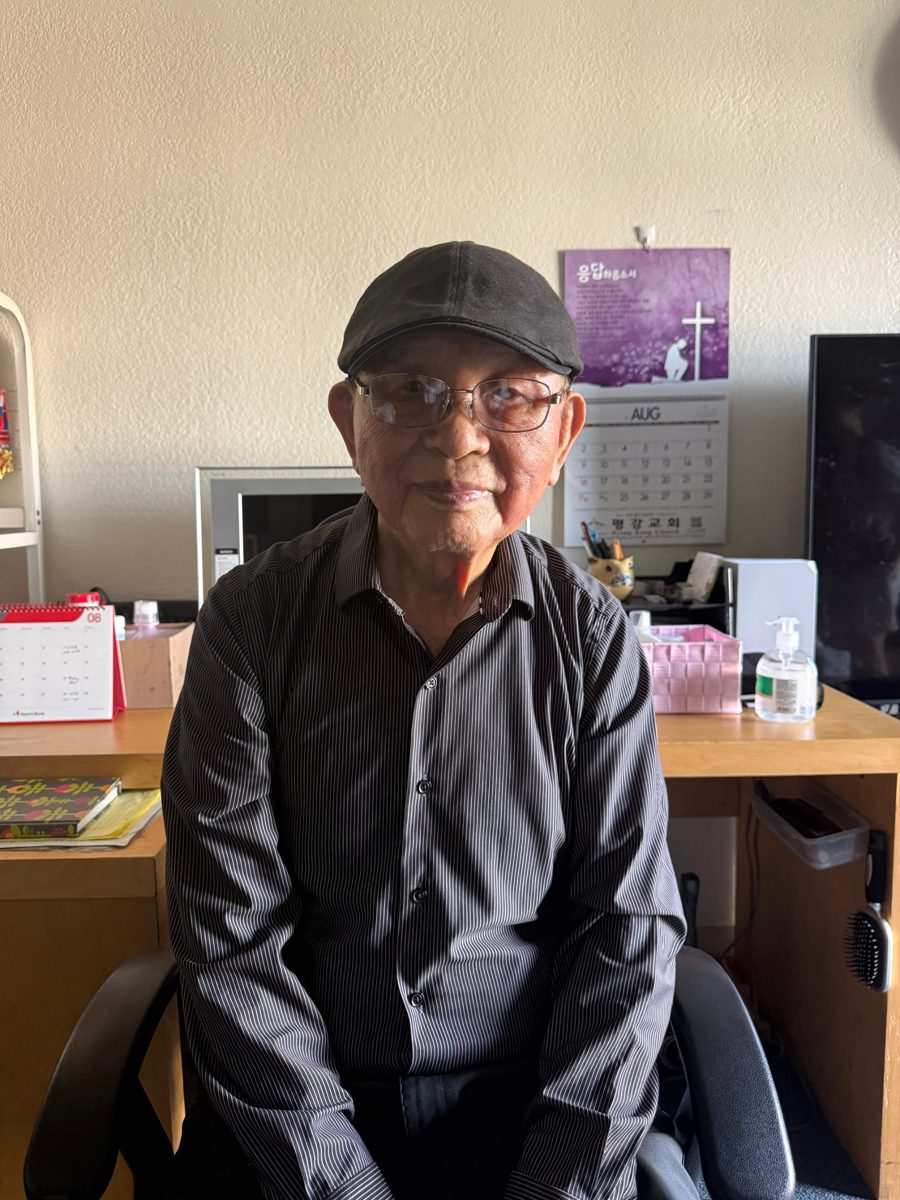
Chapter 2
Hyungbong Lee 이형봉
"내가 한국에 있었으면 어쩔 뻔했나, 이런 생각을 했죠."
- BornNovember 25, 1931 (recorded as 1932 on his army papers)
- FromYeongcheon-gun, Pyeonganbuk-do, North Korea
- ServiceEnlisted with the ROK 7th Division in Pyongyang in October 1950, at 20; five years in the army, then a U.S. Army base in Samgakji and technical work in the Vietnam War
- ArrivedLos Angeles, around 1985, in his fifties, to join his eldest son
Hyungbong Lee hid in the mountains to avoid conscription by the North, then enlisted with the South Korean army when it reached Pyongyang in the autumn of 1950. He came south alone; his parents and siblings stayed behind, and he never learned what became of them. After the army, he spent years working with the U.S. military in Seoul and in Vietnam.
He followed his eldest son to Los Angeles and, when the son's marriage ended, raised three grandchildren himself, from kindergarten through middle school. One is now an airline pilot; one works at UCLA. He lived alone through the pandemic until a neighbor from the same province, Chunhee Kim, became his friend and, as he puts it, his walking stick.
Recording · War, service, and a second family in LA
37:20Speaker 1 그냥 인터뷰를 한 번씩, 개인 히스토리, 역사, 한국부터 말씀해 주셔도 돼요. 아버지 태어난 곳. 아 버지 태어나신 곳. 나?
Speaker 2 평안북도 영천군에.
Speaker 1 평양. 양북도.
Speaker 2 북도. 이쁘게요.
Speaker 1 할머니도.
Speaker 3 그런데 여기서 처음 만나신 거예요? 네. 두 분 다 북한에서 오셨어요. 남한에 언제 오신 거예요?
Speaker 1 6.25때. 6.25때. 참전. 군인으로 오셨다가 전쟁 끝나고 6.25때하고 민군은 젊은이들하고 복귀하고 잡아갔다고.
Speaker 2 숨어있었어요. 산에 들어가서 숨어있고 그러다가 그해 50년도 10월달에 북진했잖아요. 유엔군하 고 한국군. 한국군이 평양에 7사단이 와서 모병을 했다고. 아. 그러니까 인민문 안가려고 했는데 북군 가자고 해서 거기서 현지입대 한 거예요.
Speaker 3 아. 그래서 현지입대 하셔서 그 다음에 한국으로 내려오신 거예요.
Speaker 2 그런데 우리를 왜 모집했냐면 3개월 교육받고 인문군 교육을 받았어 우리는. 들어가자마자.
Speaker 3 인문군. 국군에서.
Speaker 2 HID로 해서 거기에 침투해가지고 이제 거기에 정보 수집하는 거. 할머니, 처녀 우리 젊은 사람 50 명 이렇게 모집했어요. 그런데 거기 3개월 전에 중국군이 나오는 바람에 무산이 돼버렸다고. 그래서 그냥 후퇴소해서 여기로 나온 거예요. 남한으로.
Speaker 3 그럼 그때가 연세가 몇 살? 나이가?
Speaker 5 20살.
Speaker 3 그러면 한국에는 혼자, 남한에는 혼자 오신 거예요?
Speaker 1 혼자. 아버지 남한에 혼자 계셨죠?
Speaker 4 네.
Speaker 1 거기서 결혼하시고 자식 낳고.
Speaker 2 가족의 형제들하고 아버님은 계셨는데 생사를 모르죠. 다 돌아가셨어요.
Speaker 3 형제가 어떻게 되셨어요?
Speaker 2 형제가? 5남매.
Speaker 3 몇째세요?
Speaker 2 남자가 셋.
Speaker 3 누나가 둘.
Speaker 2 내 밑에 동생이 하나 있어요. 그때 같이 숨어있었는데 군대 간다 보니까 우리 아버님이 하나는 남 으라고 그래서 동생이 낳았고 내가 낳았어.
Speaker 1 그럼 한국 오셔서 어떻게 지내셨어요? 아버지가 한국에서 생활을 어떻게 하셨는지 내가?
Speaker 2 군대에서 5년 했어요. 5년 동안.
Speaker 1 중사 제대하셔서 내가 히스토리 너무 잘하네. 아버지 목소리가 들어가야지. 괜찮아요. 제가 리코딩 때문에 하는 거니까.
Speaker 2 5년을 했는데 휴전 되고 나서도 제대를 안 시켰다고. 그런데 5년 후에 제대하고 나왔어요.
Speaker 1 결혼하시고 미군부대 들어가셔서 미군부대에서 해외를 많이 다니셨대요.
Speaker 2 월남전쟁을 하셨고 서울 삼각지에 미군부대 있잖아요. 거기에 한 7년 되다가 월남전쟁이 있었잖아 요.
Speaker 3 월남전쟁 다녀오셨어요?
Speaker 2 싸우러 가고 우리는 기술자로 가서 무슨 일 하시는 거예요?
Speaker 3 탱크 수리공 탱크 수리공 그러면 실제로 전쟁에는 안 가시고 그래도 한국도 하시고 탱크 탱크 굳히 시고 아프리카 비엔나전쟁도 갔고 군부대에서 탱크 수리공 기술자로 갔어요.
Speaker 2 3년 있다가 한국으로 몇 년 팔굴에 다니다가 사우디에 갔어요. 사우디아라며 진짜 많이 다니셨네 요.
Speaker 1 아파트 짓고 2차 5.25 77년인가 73년인가 저도 어렸을 때 국민학교 사우디에 가셨던 분들이 많아 요. 많았어요.
Speaker 2 여기 로켓 항공회사 있잖아요. 로켓 로켓은 항공 그 회사에서 사우디 공군을 훈련시켰다고 미국 영 국 정사들이 와가지고 숙소 관리해줬어요. 거기 가서 우리는 발전기 발전기 돌리고 그랬다고 8년 있다가 사우디에서도 8년 계셨어요.
Speaker 3 중간에 한국으로 왔다 갔다 하셨어요? 1년에 한 분이 휴가 가족분들은 같이 가신 거예요?
Speaker 2 혼자 가족은 여기 한국에 내가 휴가 나왔지.
Speaker 1 그렇게 8년을 네. 힘드셨겠다. 저는 많이 보셨을 것 같아요.
Speaker 3 그리고 그때 8년 있다가 오셨을 때가 연세가 어떻게 되셨을까요?
Speaker 2 올 때가 대충 한 77년도에 갔거든요. 그래서 85년도에 오셨어요. 85년인가 그때가 그때가 내가 갈 때 마흔여섯이었다고 50대 54일 그러니까 50이 넘어서 왔지.
Speaker 1 50 넘어서 오신거죠. 왔는데 애들이 다 컸지. 아들이었으니까 대학생, 직장 다니고 고등학생 자재 분이 몇? 아들이 4남매 아들, 아들, 딸, 딸 있으세요? 아들, 아들, 딸 아들 둘, 딸둘 둘 둘 저는 아들밖에 없거 든요. 좋지.
Speaker 2 딸도 하나 대신 한국에 살고 여기 우리 큰애만 여기 왔다고 그래서 내가 여기 온거야.
Speaker 1 큰아들분은 여기 그냥 유학 오신거에요? 아니면 직장?
Speaker 2 아니, 여기 유학이 아니라 여기에 우리 친구가 한국에서 선대 다녔대.
Speaker 1 미국 여기 너무 오고 싶어가지고 그냥 왔대. 성인으로.
Speaker 2 아, 그냥 가족이라고 결혼은 안하고 총각때 내 친구가 이북에서 같이 나온 친구가 74년도에 미국에 왔다고 이민을 왔어요. 그래서 다운타운에서 봉지옹장을 한 25년 했어. 그래서 그 친구가 친구의 아들이 한국에 놀러와가지고 미국이 좋다고 하니까 같이 온거야? 와가지고 영주권 받고 그래서 그리고 결혼해서 애기 낳고, 애기와서 봐주셨대.
Speaker 1 아들, 애기.
Speaker 2 아버지가 애들 봐주기가 그때는 엄마도 있었고 아버님도 계셨고 아니, 근데 94년도에 와서 여기서 우리 집사람이 살아있을때 와서 애 낳고 그래서 1년이 있었어요. 근데 그때 여기에 그냥 있으라고 했는데 우리 집사람이 미국 싫다고 가자고 해서 한국에 가서 우리 집사람이 결혼하고 나서 여기 왔 다고 오라고 해서 왔는데 우리 애하고 애들 엄마하고 이혼을 했어요. 그러니까 애가 영원한거 딴 나름도 슬슬 넣고 이혼했는데 원래는 여기에 엄마가 여유한계권이 있잖아. 우선권이 있잖아. 근데 못 키운다는 걸 키운다.
Speaker 1 포기하고 그냥.
Speaker 2 못 키운다는 걸 키운다고 해서 우리가 맡았다고. 그럼 누가 있어? 밥 하나 할머니 하나 그래서 애들 조금씩 크니까 유치원에 데려다주고 유치원에서 졸업하고 국민학교, 중학교 다 내가 했어. 어머.
Speaker 1 너무 예쁘시겠다. 너무 효자들이야. 큰 손자가 비행기 운전수야. 조종사 파일럿이야. 멀리 갔다가 오면 꼭 할아버지 모시고 식사하고 애들이 잘해. 할아버지한테.
Speaker 3 같이 키우셨으면 진짜 예쁘시겠네.
Speaker 1 이미 다 컸어요. 둘은 결혼했고 막내가 미국 시청단인가봐.
Speaker 2 LA 시청단 뉴욕에 복무원 뉴욕에 캘리포니아 복무원 딸내미는 UCLA 직원으로 거기서 일하고 있 고 둘은 결혼했고 하나는 막내만 우리 할아버지는 너무 행복하신 분이지.
Speaker 1 그리고 자비적이시고 너무 건강하세요. 면세 듣고 깜짝 놀랐어요. 건강하시죠?
Speaker 3 진짜 건강하세요.
Speaker 1 아버지 건강하시다고. 자세도 다르죠. 그리고 말씀도 되게 반듯하시고 한 두 달 전에 좀 편찮으셨 어. 그러고 나서는 기운이 좀 없으신 것 같은데 그래도 컸더네. 운동도 많이 하시고 잘 잡숬고 그 다음 히스토리가 할아버지가 여기서 혼자 사셨어. 코로나라는 게 왔지 않냐. 그쵸. 아버지는 센터 가는 걸 싫어하셨어. 안 다니신다고 그래. 아무래도 외롭고 친구가 있으면 좋으니까 어떻게 나가시게 됐어. 그런데 우리 본사님이 같은 학교 학생인데 센터지. 센터지. 바로 시아버지가 다니시거든요. 저희 시아버지가 열심히 다니시거든요. 그런데 어디 다니시는지 모르겠어요. 최근에 어디 바꾸셨다고 하셨는데 그런데 이제 우리 본사님이 여자친구라고 소개해도 누구의 여자 친구? 한 분의 여자친구.
Speaker 5 그럼 친구지 뭐.
Speaker 1 너무너무 잘하셔. 너무너무 나눠주고 아버지도 너무 맨날 고마워하고 감사해하고 혼자 계시니까 너무 잘하셔.
Speaker 2 그래서 내가 본사님 지팽이야.
Speaker 1 제가 잘 걷지를 못해요. 우리 본사님 연세는 93세. 네? 진짜요?
Speaker 3 95, 93.
Speaker 1 나보다 두 살 위예요. 진짜요? 저희 시어머니보다 젊으신 것 같아요. 사고가 너무 젊으시고.
Speaker 3 어떻게 이렇게 건강하세요 두 분 다.
Speaker 1 저희 시어머니가 지금 80 안되셨죠. 70대 후반이신데 훨씬 정정하세요. 진짜로. 믿을 수 없고 멋쟁이시고. 여기 사세요? 우리 아파트 여기 1층. 1층에 있어요. 그때 슬쩍 이모가 말씀해 주신 게 음식 픽업하다 만나셨다고. 맞아요? 맞아요. 음식 픽업하다가 만나서 고향분이라고 해서 2년이 돼서 친구가 되셨는데 우리 본사님은 아르헨티나에서 이민하신 분이야. 한국에서 아르헨티나로 이민 갔다가 거기에서 또 여기로 이민 오신 거야. 그럼 아르헨티나는 어떻게 가시게 된 거예요? 아르헨티나는 해 타고 두 달. 몇 년도에 가셨어요? 65년도. 60년 넘어서 70년 넘어서. 남편이 서울대 교수님이셨는데 그리고 세계를 다 찾아보고 그 때는 거기가 좋아가지고 거기를 선택을 하셨고.
Speaker 3 65년도 때면 거의 해외여행 같은 건 아예 못할 때 잖아요.
Speaker 1 못할 때죠. 그런데 두 달 동안 대서양, 인도양 다 건넜으니까 배만 배에서 쭉 가는 거예요.
Speaker 3 두 달을.
Speaker 1 아기들은 사남매? 사남매.
Speaker 3 여기는 사남매 맞나?
Speaker 1 사남매 맞죠. 다 아르헨티나에 있어요. 그럼 아이들은 자식분들은 다 아르헨티나에 계시고 아빠는 일찍 돌아가시고 내가 45살 때 혼자 너무 아프고 그렇게 예쁜 샥시를 듣고 싶어요. 그때는 그때는 샥시지. 어쨌든. 내 운명이지 뭐.
Speaker 3 그럼 아르헨티나에서 돌아가시고 미국에는 어떻게? 아르헨티나는 그냥 할아버지가 오고 싶어서 오신 거예요?
Speaker 1 내가 가고 싶어서 왔어.
Speaker 3 왜 오십니까?
Speaker 1 우리 어머니가 가시기 때문에 내가 딸이 하나거든. 어머님이 나 안 가면은 미국에는 안 가겠다고 어떤 어머니? 친정어머니. 그때 젊을 때 말씀하시는 거죠. 한국에서 혼자 외동딸이시고 근데 같이 가자고 하셨구나. 그렇죠. 그래서 그냥 움직이기도 했죠. 근데 왜 아르헨티나였어요? 다른 데가? 아르헨티나? 아르헨티나는 우리 아빠 친구가 여행하면서 김이별 교수라고 외국어 대학 교수였다 고 여행하면서 아르헨티나가 너무 아름답다고 우리가 미국으로 가려고 했는데 아르헨티나가 너무 좋은 나라라고 소개해서 거기로 갔죠. 그러면 거기서는 어떤 일 하셨는지? 마켓 한 10년 한국 마켓 같은 거요? 그러니까 뭐 고기마켓이요. 고기마켓이요? 그때는 한국분들이 정말 많지 않았어요? 없었죠. 제가 대척자니까. 그래서 거기서 병원도 세우고 어머 스페인어 학원도 하고 대사관에 대사관에 그냥 내 집 두나들었 죠.
Speaker 3 미국은 어떻게 오셨어요?
Speaker 1 미국은 친구가 있어요. 우리 소곤사라고 친구는 이렇게 왔는데 나를 위해서 다 준비해 놓은 거예 요. 그래서 오게 됐는데 그렇게 돼서 왔어요. 애들도 여기 왔다가 여기 싫다고 갔어. 아르헨티나로 여기 미국에 오신지 몇 년 되셨죠? 2002년도 에 왔어요. 2024년 세월이 빨라요. 저거 부치 아르헨티나에서 얻고 좋은 거예요. 자기가 얻고 좋게 우리 며느 리가 며느리가 보내왔는데 제가 며느리가 다 외국에서 그래요. 그러면 대화는? 대화는 스페인어에요. 스페인어 잘하세요? 스페인어 학원도 있습니다.
Speaker 3 여기 스페인어 배우세요?
Speaker 1 자신 없어 하지만 배우거든요. 아니 랭귀지는 배워야죠. 그게 힘이에요 사실.
Speaker 5 그게 재산이지.
Speaker 1 외국에 살면서 외국을 모르면 답답하지. 특히 제가 병원에 UCLA 병원 다니기 때문에 한국 사람이 야. 한국말은 이렇게 지금 하민이가 스페인시를 나는 스페인시를 더 잘한대. 미국에서 낳아서 자랐대. 부모도 한국 사람이고 한국말은 듣기는 하는데 어려운 말은 잘 못하는거 야. 스페인시는 한대. 스페인시를 더 잘한대. 그러면 그래서 우리 큰애가 1차에 이민자에 의과대학에 1차로 나왔어요. 의 과 공부해서 그래서 의사 자격이 있잖아요. 그래서 제가 병원을 지었지. 왜 그러냐. 동포들이 아르헨티나에 와서 외국에 그분들한테 신세지는 게 말도 안동하지. 그러니까 자꾸 많이 배워달라고 내가 계속 자니까 그때는 이민자가 없었어요. 그러니까 아르헨티 나에 하나 들어오는데 한 5만이 들어왔어. 많다. 학원도 하고 말도 배워주고 멋있네 할머니야. 그리고 또 많은 분들 오면 비행장에 나가서 도와드려 줘. 애들도 학교 가면 학교도 가볍게 운동도 하지. 병원에 가면 병원에 가서 시중하지. 제가 할 일이 너무 많죠.
Speaker 3 그런데 사실 꼭 그래야 되는건 아닌데 하시는거잖아요.
Speaker 1 해야죠. 할 사람이 없는데.
Speaker 3 제가 왜 깜짝 놀랐냐면 제가 이제 48이 됐거든요. 저는 항상 뭘 새로 하기에는 늦은 나이 같은 거예 요.
Speaker 1 그런데 지금 그 나이 때 그런거 다 하시는 거잖아요.
Speaker 3 그러니까요.
Speaker 1 그런데 그 후에도 그렇게 다 모르는 나라에서 사실 언어를 배우셨지만 그게 완벽하지. 한국말처럼 편하지는 않았어요. 노력을 하신 거죠. 마켓 할 때도 한국어, 스페인어로 다 해야 하니까요. 원주민 상대니까요. 말 공부해서 많이 배웠죠. 미국이랑 아르헨티나 비교하면 어떤 것 같으세요? 제가 지났는데 애들은 다 결혼했잖아요. 그러니 까 일단 나 빼고 내 인생이 있지. 아이돌이 있는 데서 있으면 좋지만 저 혼자 살고 싶어서 나왔지. 자유. 자유가 필요하니까. 아버지는 어떠세요? 만약에 아버지가 한국에 계시다고 생각했을 때 미국하고 한국하고 맨날 뉴스 보니까 여기가 좋지만 너희들은 여기가 좋아요.
Speaker 2 여기가요?
Speaker 1 나도 너인데 내가 여기가 너무 좋아. 내가 한국에 있었으면 어쩔 뻔했나 이런 생각을 했죠. 그럼 미 국이랑 이민 어떻게 질문해야 할까요?
Speaker 3 질문 있으신가요?
Speaker 4 질문 안 하셨나요?
Speaker 3 저희가 아까 이민이 어떻게 왔는지 질문이 뭐였나요?
Speaker 1 이민이 어떻게 왔는지 아파트도 얼마나 좋아요. 정부에서 돈 주죠. 혜택이 너무 많은 거야. 부족함이 없어요. 편하니까 좋은 거지. 네.
Speaker 2 할아버지도 나는 애들 때문에 그렇게 시작을 했으니까 못 가고 있다. 애들 키워야 되잖아. 우리가 혼자서 나가야 되니까 내가 없으면 못 키웠다고.
Speaker 1 시작은 그렇게 했는데 미국에 시민이 되신 거야. 투팍 범죄자들. 두 분은 만약에 지금 다시 한국 가 서 살까? 하면 가실까요? 아니면 아르헨티나 다시 가족, 애들이 오라고 해도 안 가실 것 같아요?
Speaker 2 자유로운.
Speaker 1 다니러는 가지만 살면 애들 보고 아버지는? 한국 가서 막내딸이 아버지 저하고 살아요. 오세요. 그러면 가셔?
Speaker 2 아니. 다니러 가는 거 말고 아주 살러. 살러? 큰딸이 오라고 그러는 거지. 맨날.
Speaker 1 그러면 가시고 싶어?
Speaker 2 아니요.
Speaker 1 혼자 사는 게 제일 좋아. 혼자 사시는 게. 아들보다 다 좋지만 나는 나야. 굉장히 독립적이세요. 그렇죠. 젊은 사람들이 싫어하는 거나 똑같아. 싫어하는 게 아니고 싫어하는 게 아니고 자유를 주는 거지. 서로 자유롭게 사는 거지. 근데 젊은이 들은 오해를 해요. 이 젊은이가 아니라 거이가. 왜냐하면 어른을 못 모시는 거에 대한 부담도 느끼고 내가 할 일이 못 하나. 이런 거 있잖아. 근데 아니거든. 내가 잘 살면 된다야. 나만도 그래 봤어. 진짜로. 전혀 아닌데 잘못. 그렇게 자식에 대한 돌이 특히 한국 사람은 그런 게 있는지 그러는 것 같 더라고. 난 너무 좋아. 독립적으로 살 수 있는 지금 시간되면 뭐 티라도 한 잔.
Speaker 3 아니요. 요구르트도 마시고 왔고요.
Speaker 1 저 애기는 뭐든지 안 먹어서. 얘는 원래 뭘 잘 모르고. 나성 돈가스나서 돈가스 먹고 괜찮아요.
Speaker 4 다 먹었어요.
Speaker 1 아까 밥 먹다가 말고 다 먹었어요. 이만큼 줬어요. 놀래서 먹다 말고 한 시간을 먹었잖아요. 아버지. 너무 재능도 좋고 인물도 좋고 음악도 잘해. 플룻을 사랑해요. 학교도 좋은 학교인데 거기서 오케스트라 반에 들어가야지.
Speaker 2 아주 이지적으로 생겼네.
Speaker 5 아들만둔이거든요.
Speaker 1 막내 작은 애는 완전히 연예인 같았어요. 한국 분이지만 너무 아주 스마트해서 저는 정말 너무 감 사하게 생각해요. 내가 돈을 받고 일을 하지만 이 집에서도 나를 돈을 주고 일을 시키지만 서로가 서로가 내가 많이 부족해도 불평을 안해요. 정말 감사하죠. 내가 늘 부족한 것 같아도 말을 안하니까 말할 것도 없죠. 항상 그런 마음으로 감사 하게 생각해요. 서로가 행복한거죠. 맞아요.
Speaker 3 이모도 행복하면 다행일거에요.
Speaker 1 행복하고 미안하기만 하지. 멀쩡한 애들은 써도 되는데 무슨 말이나 하던데. 저희 남편은 맨날 이 모 건강하셔야 되는데 오래오래 같이 아빠도 너무 스윗하시구요. 저희 남편이 이불 너무 좋아해요. 없어요.
Speaker 5 맞아요.
Speaker 1 온 가족이 다 좋아해요. 한국에선 한국이지. 진짜 그래요. 진짜 너무 죄송하고 감사하고.
Speaker 5 차 한잔 하실래요?
Speaker 1 아들이 LA LA 컨저먼스라는 단체가 있어요. 그 단체가 LA 곳곳에 오래된 역사적인 건물들이 있잖 아요. 유명한거 아니더라도 누군의 고전가옥 같은거 말하죠.
Speaker 3 고전가옥. 딱 그거에요.
Speaker 1 그거를 옹호하는 단체에요. 만약에 디벨로퍼들 이런 사람들이 그거 사가지고 헐어버리고 패팅 질 려고 할 때 못하게 대회하고 그거 지켜내고 이런거 하는 랜드마크로 딱 지정을 하면 못 부수게 하 는 도전해야 되는 그런 운동을 하는 데서 얘가 리더쉽 했어요. 그리고 나서 그 다음에는 하이스쿨 학생들 단체에서 한 10-15명? 인턴.
Speaker 4 무슨 거? 15명? 미러스? 하이스쿨만?
Speaker 3 I don't know. How many? 9-12?
Speaker 4 사람들이? Yes.
Speaker 1 한 15명 정도 매년 여름에 뽑아서 거기에 뽑혔어?
Speaker 3 작년에. 점심도 주고 돈도 좀 주고 장학금처럼 온갖 LA의 도시를 다니면서 보존해야 될 것을 설명 해주고 다절스 스태디움 있잖아요. LA 다절스.
Speaker 1 그거 다 사람들이 좋아하지만 만들기 위해서 거기 살던
Speaker 1 Just an interview, your personal history. You can start from Korea. Where was Father born?
Speaker 2 Yeongcheon-gun, Pyeonganbuk-do.
Speaker 1 Pyeongan... buk-do.
Speaker 2 North. Say it nicely.
Speaker 1 Grandma too.
Speaker 3 So you two first met here? Yes. Both of you came from North Korea. When did you come to the South?
Speaker 1 During the Korean War. He came as a soldier. In the war, the People's Army was taking young men away.
Speaker 2 I was hiding. I went into the mountains and hid. Then in October 1950 the UN forces and the South Korean army pushed north. The ROK 7th Division came to Pyongyang and recruited. I didn't want to go into the People's Army, so when they said join the South's army, I enlisted right there.
Speaker 3 So you enlisted on the spot and then came down to the South.
Speaker 2 The reason they recruited us: we got three months of training, in the People's Army's ways, right after joining.
Speaker 3 In the ROK army.
Speaker 2 Through HID, to infiltrate and gather intelligence. They recruited about fifty young people. But three months later the Chinese army came in and it was called off. So we retreated and came down here, to the South.
Speaker 3 How old were you then?
Speaker 5 Twenty.
Speaker 3 So you came to the South alone?
Speaker 1 Alone. Father was alone in the South, right?
Speaker 4 Yes.
Speaker 1 He married there and had children.
Speaker 2 My father and my siblings stayed, and I never learned whether they lived or died. They've all passed.
Speaker 3 How many siblings?
Speaker 2 Five of us.
Speaker 3 Which were you?
Speaker 2 Three boys.
Speaker 3 Two older sisters.
Speaker 2 One younger brother. We hid together, but when it came to the army my father said one should stay, so my brother stayed and I went.
Speaker 1 How did you live after coming to Korea? How did Father make a living?
Speaker 2 Five years in the army.
Speaker 1 He was discharged as a sergeant. I'm telling the history too well; Father's voice should be on this. It's fine, it's for the recording.
Speaker 2 Five years, and even after the armistice they didn't discharge us. After five years I got out.
Speaker 1 He married and went to work on a U.S. Army base, and traveled overseas a lot with the Americans.
Speaker 2 There was the Vietnam War. There was a U.S. base at Samgakji in Seoul; I was there about seven years, and then came the Vietnam War.
Speaker 3 You went to Vietnam?
Speaker 2 Soldiers went to fight; we went as technicians.
Speaker 3 A tank mechanic. So not in combat, but as a tank repair technician with the military.
Speaker 2 Three years there, then back to Korea for a few years, then Saudi Arabia.
Speaker 1 You went to so many places. Saudi, building apartments... that was 1977 or 1973. When I was in elementary school many people went to Saudi.
Speaker 2 There's the aircraft company, Lockheed. Lockheed trained the Saudi air force; American and British instructors came, and we managed the housing. We ran the generators. I was there eight years.
Speaker 3 Did you go back and forth to Korea? Did the family go with you?
Speaker 2 Alone. The family stayed in Korea and I came home on leave.
Speaker 1 Eight years. That must have been hard.
Speaker 3 When you came back after eight years, how old were you?
Speaker 2 I went around 1977 and came back in 1985. I was 46 when I went, so past 50 when I came back.
Speaker 1 Past 50, and the children were grown: college, working, high school. Four children, two sons and two daughters. I only have sons. That's nice.
Speaker 2 One daughter lives in Korea. Only our eldest came here, so I came here.
Speaker 1 Did the eldest come to study, or for work?
Speaker 2 Not to study. A friend of mine from the North, who came out with me, emigrated to America in 1974 and ran a garment factory downtown for 25 years. His son visited Korea and said America was good, so my son came with him, as an adult, single. He got a green card, married, had a baby, and asked us to come help with the baby.
Speaker 1 A son, a baby.
Speaker 2 We came in 1994, while my wife was still alive, when the baby was born, and stayed a year. They told us to stay, but my wife didn't like America and wanted to go back, so we went to Korea. After she passed, they told me to come, so I came. Then my son and the children's mother divorced. Normally the mother has priority to raise the children, but she said she couldn't.
Speaker 1 She gave up.
Speaker 2 She said she couldn't raise them, so we took them. Who else was there? Just me and the grandmother. As they grew I took them to kindergarten, then elementary school, middle school, all of it, myself.
Speaker 1 How lovely. They're so devoted. The eldest grandson flies planes, a pilot. Whenever he comes back from a long trip he takes Grandfather to dinner. The kids are so good to him.
Speaker 3 Raising them yourself, they must be precious.
Speaker 1 They're all grown. Two are married; the youngest works for the city, I think.
Speaker 2 LA city government, and one in New York, one in California, and the granddaughter works at UCLA. Two married, one the youngest. Grandfather is a very happy man.
Speaker 1 And so generous, and so healthy. When I heard his age I was shocked. He's healthy, right?
Speaker 3 Really healthy.
Speaker 1 His posture is different, and his speech is so proper. A couple of months ago he was unwell and seems to have less energy, but he exercises a lot and eats well. The next part of the history: Grandfather lived here alone. Then COVID came. He didn't like going to the senior center. He was lonely and it's good to have friends, so he started going out. And then our Ms. Kim, from the same senior center... she introduces herself as his girlfriend. Whose girlfriend? One person's girlfriend.
Speaker 5 Then she's a friend.
Speaker 1 She's so good to him, always sharing, and Father is always grateful, since he's alone.
Speaker 2 So I'm Ms. Kim's walking stick.
Speaker 1 [Ms. Kim] I can't walk well. Ms. Kim is 93. What? Really?
Speaker 3 95, 93.
Speaker 1 Two years older than me. Really? She seems younger than my mother-in-law. Her thinking is so young.
Speaker 3 How are you both so healthy?
Speaker 1 My mother-in-law isn't 80 yet, late 70s, and you're far sprier. Unbelievable, and so stylish. You live here? Our building, first floor. You mentioned you met picking up food, right? Right. We met at a food pickup, found out we were from the same hometown region, and in two years became friends. Ms. Kim emigrated from Argentina: from Korea to Argentina, then from there to here. How did you go to Argentina? By ship, two months. What year? 1965. My husband was a Seoul National University professor; he looked at the whole world and chose there.
Speaker 3 In 1965 you basically couldn't travel abroad at all.
Speaker 1 You couldn't. Two months crossing the Atlantic and Indian Oceans, just on the ship.
Speaker 3 Two months.
Speaker 1 Four children? Four.
Speaker 3 Four children, right?
Speaker 1 Four, all in Argentina. The children are all in Argentina, and my husband died early, when I was 45. I was alone and so sick. I wanted to hear 'pretty bride' back then. Anyway, that's my fate.
Speaker 3 After he died in Argentina, how did you come to America? Grandfather, did you just want to come?
Speaker 1 I came because I wanted to.
Speaker 3 Why?
Speaker 1 [Ms. Kim] Because my mother was going. I was an only daughter, and my mother said she wouldn't go to America unless I went. That was when I was young. And why Argentina rather than somewhere else? A friend of my father, Professor Kim, who taught at a foreign language university, had traveled and said Argentina was so beautiful. We'd meant to go to America, but he recommended Argentina, so we went. What did you do there? A market for about ten years, a meat market. Were there many Koreans then? None; I was the first. So I set up a clinic there, and a Spanish language school, and went in and out of the embassy like my own house.
Speaker 3 How did you come to America?
Speaker 1 A friend here had prepared everything for me, so I came. The children came too but didn't like it and went back to Argentina. When did you come? 2002. Now it's 2024; time flies. [About a gift] My daughter-in-law sent that from Argentina; all my daughters-in-law are foreign. So what language do you speak together? Spanish. You speak Spanish well? I ran a Spanish school.
Speaker 3 Are you learning Spanish here?
Speaker 1 Without confidence, but I'm learning. You have to learn the language; it's power, really.
Speaker 5 It's an asset.
Speaker 1 Living abroad without the language is suffocating. I go to UCLA hospital, and the staff there... Hamin here speaks Spanish better than Korean. Born and raised in America, Korean parents, understands Korean but can't manage difficult words. He speaks Spanish. So my eldest son was in the first class of immigrants to graduate from medical school there. A qualified doctor, so I built a clinic. Why? Because it made no sense for our compatriots coming to Argentina to depend on foreigners. There were no immigrants then; when they started coming, about 50,000 came. I ran the school and taught the language, went to the airport to help new arrivals, helped with the children's schools, went along to the hospital. I had so much to do.
Speaker 3 You didn't have to, but you did.
Speaker 1 I had to. There was no one else.
Speaker 3 I'm 48 now and always feel it's too late to start anything new.
Speaker 1 But you did all that at that age.
Speaker 3 Exactly.
Speaker 1 And learning the language in a country you knew nothing about; it was never as comfortable as Korean, but you made the effort. Running the market meant Korean and Spanish, dealing with locals. I studied and learned a lot. How do you compare America and Argentina? The children are all married; I have my own life apart from them. It's nice to be near the children, but I came out because I wanted to live alone. Freedom. I need freedom. And Father? If you imagine you were in Korea, watching the news, here is better, but you young people, you like it here.
Speaker 2 Here?
Speaker 1 I love it here. I've thought, what if I had stayed in Korea? How should we ask about immigrating to America?
Speaker 3 Any questions?
Speaker 4 Didn't you ask?
Speaker 3 What was our question earlier about how you immigrated?
Speaker 1 How I immigrated, and how good the apartment is. The government helps. So many benefits. Nothing is lacking. It's comfortable, so it's good.
Speaker 2 Grandfather too: I started here because of the children, so I couldn't leave. I had to raise them. Without me they couldn't have been raised.
Speaker 1 That's how it started, and he became an American citizen. If someone said, go back to Korea and live, would you? Or if the children in Argentina asked you back, you wouldn't go?
Speaker 2 Freedom.
Speaker 1 To visit, yes, but to live? Father, your youngest daughter says, come live with me in Korea. Would you go?
Speaker 2 No. Not to visit, to live. The eldest daughter keeps telling me to come. All the time.
Speaker 1 Do you want to go?
Speaker 2 No.
Speaker 1 Living alone is best. Better than living with the sons; I am who I am. Very independent. Right. It's the same thing young people want. It's not dislike, it's giving freedom, living freely. But the young misunderstand; they feel a burden about not looking after their elders. It isn't that. If I live well, that's enough. Koreans especially seem to feel that about their children. I love being able to live independently. Would you like some tea?
Speaker 3 No, we had yogurt on the way.
Speaker 1 This child doesn't eat anything. He had tonkatsu earlier and is fine.
Speaker 4 I finished it all.
Speaker 1 He stopped halfway and then ate for an hour. Father, he's so talented, good-looking, musical. He loves the flute. A good school; he should join the orchestra there.
Speaker 2 He looks very intelligent.
Speaker 5 He's an only son.
Speaker 1 The younger one looked like a celebrity. [About her employers] I'm paid to work here, but no one complains even when I fall short. I'm always grateful. We're both happy that way.
Speaker 3 If you're happy, that's a relief.
Speaker 1 Happy, and only sorry. My husband always says, Auntie, stay healthy for a long time. Father is so sweet too.
Speaker 5 Right.
Speaker 1 The whole family loves him. Really, I'm sorry and grateful.
Speaker 5 Some tea?
Speaker 1 [About the interviewer's son] There's an organization called the LA Conservancy. LA has old historic buildings everywhere, not necessarily famous, someone's old house.
Speaker 3 Historic houses, exactly.
Speaker 1 It's a group that protects them. When developers buy one and want to tear it down, they fight it and get it designated a landmark so it can't be demolished. He did a leadership program there. Then a high school student group, about 10 to 15 interns.
Speaker 4 How many? Fifteen? Only high school?
Speaker 3 I don't know, how many? Grades 9 to 12?
Speaker 4 Yes.
Speaker 1 About 15 chosen every summer. He was chosen?
Speaker 3 Last year. They provide lunch and a stipend, like a scholarship, and go around the city explaining what should be preserved, like Dodger Stadium.
Speaker 1 Everyone loves it, but to build it, the people who lived there...
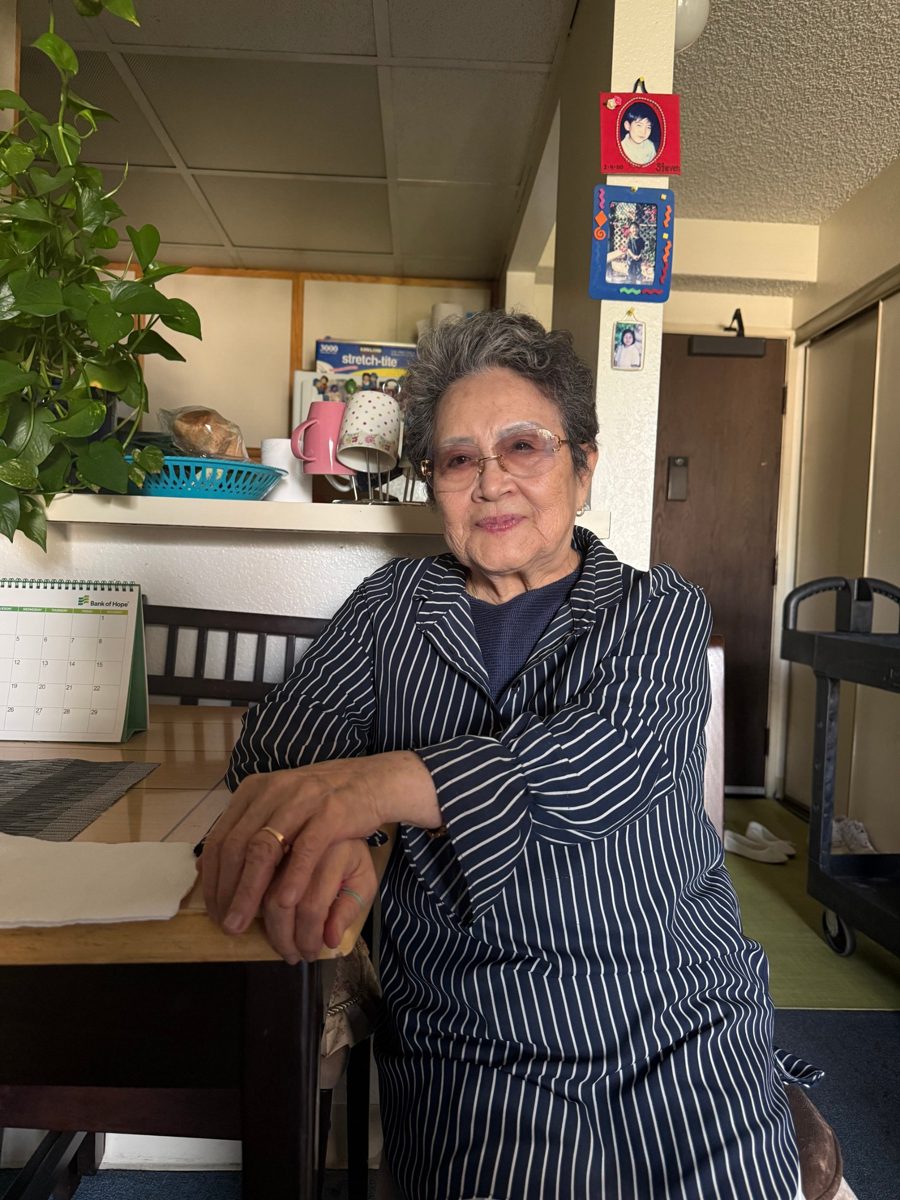
Chapter 3
Chunhee Kim 김춘희
"인생 사는 게 그냥 다 울퉁불퉁하지. 꼭 이렇게 평탄한 게 쉽지 않지."
- BornOctober 14, 1933
- FromSinuiju, in the north; crossed the 38th parallel as a teenager, raised in Busan
- JourneyKorea → Argentina (1965, two months by ship) → Los Angeles (2002)
- FamilyThree sons in Argentina: a doctor, a vineyard owner, a businessman
Chunhee Kim's father traded cowhide across the Yellow Sea to Dalian. When his boat was wrecked and he landed in Gunsan, the whole family followed him south, before the border closed. Her mother ran a galbi restaurant in Busan through the war; her older brother was taken north at 20 and never heard from again.
In 1965 she and her husband, a Seoul National University professor, sailed two months to Argentina, where she ran a butcher shop, opened a clinic and a Spanish language school, and met new Korean arrivals at the airport. Widowed at 45, she moved to Los Angeles in 2002, on her own terms. She and Hyungbong Lee, whose chapter follows, met at a food pickup two years ago and found they came from the same part of the country.
Recording · From Sinuiju to Buenos Aires to Los Angeles
9:00한국에 오게 된 동기가 제가 열다섯 살 때에요. 우리 아버님이 무역을 하셨어요. 중국에 대련으로 왔다 갔다 하면서 소가죽 공장에서 우리 신우주에서 아버지가 소가죽 제품도 중국으로 가져가고 대련으로 물건을 가져가고 내려오고 이랬는데 아버님이 안 오셔서 기다리고 있었는데 이날 배가 파손돼서 아버지가 내려오시다가 군산에 도착했대요. 전라북도 군산 그 밑에까지 내려가신 거예요? 네. 아버님의 배가 그전에 배가 군산에 닿았잖아요. 그래서 그루루 내려가서 군산에서 중국 가는 건 빠르잖아요. 잘 모르겠어요. 연락 오기를 군산에 있다. 아버지가. 그러니까 아버님이 거기 계시니까 우리 하나하나 다 넘어왔잖 아요. 전 38성 혼자 넘어왔다고. 그럼 그때가 몇 년도에요? 한국전쟁 전이에요 후에요? 전이죠. 해방 이 후에 왕래했어요. 해방 이후에 왕래를 했어요. 안내원이셔서 안내원이 따라서 38성 건널때 안내원 50년의 유교라고 38성 막히면서 못 다닌거지. 그 전에는 당했지. 이분들도 미국 사람이나 마찬가지지. 저는 알아야 하는데 사실. 옛날에 다 까먹었고. 까먹었지. 생각 안하고 사니까. 한국을 안 까먹으면. 저도 지금 그리고 약간 연도 이런 게 옛날이니까 감이 잘 안잡히는 거예요. 그리고 왜냐하면 솔직 히 너무 젊어 보이세요. 그래서 제가 자꾸 연세를 까먹고 아니 솔직히 뭐 나이 먹은 사람이 뭐 지금 얘기하겠어요. 외모가 95세 잡수신 할머니. 그게 아니라 그냥 약간 저희 시어머니 뻘로 생각을 하게 되니까. 우리 시어머니 뻘이면 그때 내려오려면 당연히 38성이잖아요. 그러니까 자꾸 그렇게 생각이 되는 거예요. 유교 전에는 다 다니셨지. 그래서 그냥 아버님 배로. 그때문에 다 내려오게 됐지. 그럼 가족이 다 오셨겠네요. 그리고 그러면 오신 다음에 그냥 계속 남 한에 계신 거예요? 그렇죠. 부산에. 아버지도? 부산에. 어머니가 거기 부산에서 식당을 해서. 그래서 유교 때도 식당을 했기 때문에 저는 배고픈 시절이 없었다고. 왜냐하면 뭐 고기 중에 고기 골라 먹었지. 갈비 전문집으로 했으니까 군인들이 다 주셔서 먹고. 유교 때니까. 아버지 유교 때 총칼 들고 20살에. 아기들 20살에. 나는 아버지 그때 군대 시점만 얘기하시면 너무너무 훌륭하고 장해. 우리나라가 그렇게 지켜진 나 라인데. 그러면 우리 오빠가 2살 위거든. 아버지하고 동갑이잖아요. 동갑인데 제가 18살 때야. 20살인데 납치당했잖아요. 독박죄로. 그때는 많이 끌고 갔잖아. 그렇게 가서 서식도 몰라요. 그때 독수고등학교 3학년 때니까. 알지? 한국의 독수고등학교. 20살이야. 20살이야. 내가 오빠가 그렇게 없어졌으니까. 독수고등학교에서 접수한 거예요? 독수고등학교는 동대문 을지로 6가. 동대문 9장심 앞에 있어. 중심가에. 고등학교 3학년 때. 4대군 안에 있는 학교야. 6개월 때 여자동선 둘 다 폭격에 없어지고. 20대 전에 셋이지 뭐. 뭔 얘기하느냐. 다 지나갔어요. 우리는 그런 지켜진 나라 안에서 행복하게 살았지. 그런 걸 모르고 살았잖아요. 우리 아들들은 다 잘 있죠. 아르헨티나에. 삼형제. 아들 삼형제가 아르헨티나에. 90순생이실 때 오셨잖아요. 둘째는 농장, 포도농장, 와인도 만들어내고. 굉장히 크지. 첫째는 닥터를. 또 며느리도 닥터야. 셋째는 재진개동으로 성공하고. 감사합니다. 검사님만 건강하시면 돼요. 어지러우시대요. 매일 그냥 전화로 만날 연락이 있어. 요새는 동영상으로 하니까. 맞아요. 페이스타임 하니까 좋죠. 멀리 있는 것 같지가 않아요. 옆에서 사는 것 같아요. 화면이 쉬어야 돼요. 아들 셋에 딸 하나. 따님이 돌아가셨대요. 그런데 결혼하고 손주들 다 아기 낳고. 외손주가 다 있고. 조금 일찍 세상을 떠나고. 인생 사는 게 그냥 다 울퉁불퉁하지. 꼭 이렇게 평탄한 게 쉽지 않지. 우리 아버지는 산남매 한국에 있고. 아들 하나 여기 있고. 아들이 꾸려 놓은 자손들이 산남매가 저렇게 잘 돼가지고. 할아버지한테 효 도하고 있고. 효도해. 진짜 착해. 할아버지 나하고 종씨야. 같은 성 한 성 한 번이야. 이씨? 이씨. 경주 이씨. 자기는 전주 이씨지? 전주 이씨. 성함을 안 여쭤봐. 성함이랑 생년월일. 10월 14일. 33. 10월 14일 33년. 김춘희. 진짜 희. 김춘희. 이형봉. 이형봉. 이름이 어렵지. 봉. 봉울이. 봉울이 할 때 봉. 복자 형자 봉자. 네. 네. 11월 25일 32년. 11월 25일 32년. 32년. 32. 32년이면 나보다 한 살이네. 그런데 오늘 밝혀지는 나이 차이가 한 살이네요. 한 살 차이야? 두 살 차이가 아니었어요. 내가 한 살 줄었어요. 31년생인데. 생일이 11월 25일이야 내가. 그러니까 군대 들어가면 신상명세서 쓴다고. 그런데 만으로 쓰라고야. 그래서 32년이 돼서. 그래서 그렇게 된 거야. 워낙은. 하긴 저희 아빠도 48년생이신데. 호적에 49년생으로 돼있어. 우리 애들 아빠하고 이 집 친정아버지하고 동갑이거든. 친정아버지하고 우리 애들 아빠하고 연도 가 같아. 그런데 우리도 49년생으로 돼있어. 그것까지 같아요. 그렇죠? 원래 집뒤인데 손뒤로 돼있어. 하여튼. 아무튼. 아니 여기에 오셨는데. 아니야. 아니야. 저희는 제가 뭐를 사실. 들고 왔어야.
The reason I came to the South: I was fifteen. My father was in trade. He went back and forth to Dalian in China, taking cowhide goods from our tannery in Sinuiju to Dalian and bringing goods back. One day he didn't come back, and we waited. His boat had been wrecked and, coming down the coast, he landed at Gunsan.
[Interviewer] All the way down to Gunsan in North Jeolla? Yes. His boat had put in at Gunsan before, and from Gunsan the crossing to China is fast. Word came: your father is in Gunsan. So since he was there, we all crossed over one by one. I crossed the 38th parallel alone.
[Interviewer] What year was that, before the Korean War or after? Before. After liberation people still traveled back and forth. There was a guide; we crossed the 38th parallel following a guide. When the war came in 1950 the line closed and you couldn't cross anymore. Before that you could.
[Interviewer] These days I've forgotten so much, and the years feel distant. And honestly you look so young that I keep forgetting your age; I think of you as my mother-in-law's generation, and if you came down then, of course it was the 38th parallel. Before the war everyone could travel. So the family came down on your father's boat. Then did you stay in the South after that? Yes, in Busan. Father too? In Busan. My mother ran a restaurant in Busan, and because she ran a restaurant through the war, I never went hungry. We ate the best cuts of meat; it was a galbi restaurant, and the soldiers brought it. During the war my father carried a rifle at 20.
[Interviewer, about her own father] When my father talks about his army days, I think he's so admirable. Our country was protected like that.
My older brother was two years above me, the same age as her father. I was 18 and he was 20 when he was taken, kidnapped. They took many people then. We never learned where he went. He was in his third year at Deoksu High School, in Seoul, near Dongdaemun, Euljiro 6-ga. Twenty years old. Within six months both [unclear] were lost in the bombing. What's the point of talking about it; it's all past. We lived happily in a country that was protected like that, without knowing it.
My sons are all well, in Argentina. Three brothers. They came to visit for my 90th. The second has a farm, a vineyard, and makes wine, quite large. The first is a doctor, and his wife is a doctor too. The third succeeded in business. We talk on the phone every day; these days by video. FaceTime is good, it doesn't feel far away, it feels like living next door.
Three sons and one daughter. The daughter passed away; she had married and had children, grandchildren, all there, but she left the world a little early. Life is just bumpy for everyone. A smooth life isn't easy.
[About Hyungbong Lee] His three children are in Korea and one son is here. The grandchildren that son raised have all done so well and are devoted to their grandfather. Really good kids. He and I share a surname line, Lee... no, I'm Gyeongju Lee by my mother's side; he's Jeonju Lee.
[Interviewer] I haven't asked your names and birth dates. October 14, 1933. Kim Chunhee. Lee Hyungbong. A hard name: 'bok', 'hyung', 'bong'. November 25, 1932.
[Hyungbong Lee] If it's 1932, that's one year older than me. Actually I was born in 1931; my birthday is November 25. When I entered the army they told us to write our age by the Western count, so it became 1932.
[Interviewer] My father is the same: born in 1948, registered as 1949. My children's father and her father were born the same year, and both are registered as 1949. Even that is the same. Anyway.
Share a story
Personal stories will keep being added. If you or an elder in your family would like to be interviewed, contact Noah. The narrator always decides what is shared.
Phone Buddies
Connecting seniors and teens, one conversation at a time
A phone buddy program that pairs seniors with teens for regular conversations over the phone, building connections across generations.
Los Angeles's history is made up of the memories and stories of the people who have lived here. While interviewing seniors, I learned that many carry meaningful stories from their lives but don't often have the chance to share them.
That inspired me to start a Phone Buddy program with my friends, connecting seniors and teens through conversations over the phone. We learn life lessons from the seniors' experiences, while they enjoy hearing about teens' daily lives and perspectives. Together, we're building connections across generations.
Matched Buddies
Who is talking with whom
| Seniors | Paired with | Teens | |
|---|---|---|---|
| 01 | SJ Shin JungSenior |
NK Noah KooTeen |
|
| 02 | JG Joaquin GutierrezSenior |
DG Danni GarciaTeen |
|
| 03 | SL Sunwoo LeeSeniorListen to story |
AK Angela KimTeen |
|
| 04 | HL Hyungbong LeeSeniorListen to story |
EL Ein LeeTeen |
|
| 05 | AS Anderson SmithSenior |
EE Ethan EslerTeen |
|
| 06 | JW John WilcoxSenior |
CR Carlos RubinTeen |
Join the program
Teens or seniors interested in participating are welcome to contact Noah.
Noah Koo · noahkoo2008@gmail.com
Digital Equity
Digital equity program
Digital literacy sessions for seniors, so that the tools everyday life now depends on do not become one more barrier.
As digital technology becomes increasingly woven into daily life, digital literacy has become one factor widening the gap between generations. From ordering food to handling banking, health insurance, and government programs, many everyday tasks now rely on digital tools. For seniors who are less familiar with them, these changes can create new barriers.
Through interviews with seniors, I've learned more about the challenges they face. To help address them, I run regular digital literacy programs at senior living communities, YMCAs, and adult day health centers.
Where we teach
Senior living communities
Small-group sessions in the building's common room, on the residents' own phones.
YMCAs
Drop-in help alongside existing senior programs.
Adult day health centers
Repeated, patient sessions for members who need more time.
Questions or more information
For questions or more information, please contact Noah.
Noah Koo · noahkoo2008@gmail.com